Menu

Call Us This Saturday to Get $15 Off
Trusted Septic Services in Central Florida Call This Saturday to Get $15 Off
Call Us This Saturday to Get $15 Off
Trusted Septic Services in Central Florida Call This Saturday to Get $15 Off
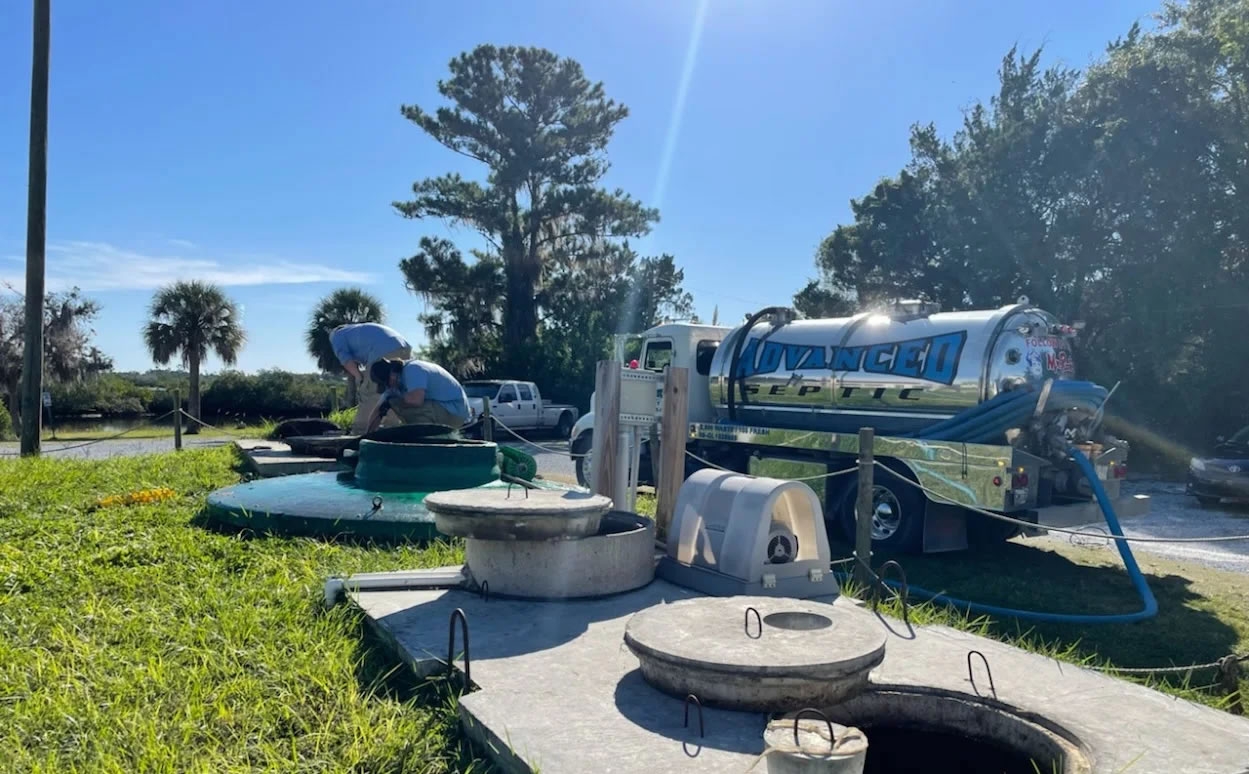

Florida, also known as The Sunshine State, has springs, rivers, lakes, wetlands, and coastal waters that make it a popular destination. With that said, prioritizing water quality is crucial for property owners across the state, especially those who rely on on-site wastewater treatment. At Advanced Septic, we recommend proactively caring for your septic system as a way to preserve local water sources. Regular septic maintenance in Citrus County, FL, typically pumping and cleaning, prevents accumulated nitrogen from leaching into the soil and reaching groundwater. Although Florida has introduced requirements for enhanced nutrient-reducing wastewater treatment systems in certain areas, working with a local septic company can help.
If you rely on an on-site wastewater treatment system, you’ve probably heard the term “nitrogen sensitive zone” thrown around. Septic service providers use this term to refer to areas where excess nitrogen enters surface water or groundwater, creating significant environmental concerns. In Florida, these areas can include locations covered by the Basin Management Action Plan, Priority Focus Areas around Outstanding Florida Springs, and designated areas associated with the Indian River Lagoon Protection Program. However, exact requirements vary, depending on your property’s location, lot size, sewer availability, and applicable restoration plan.
Wastewater from your drains collects in the tank for separation. Bacteria break down solids, releasing nitrogen and other toxic byproducts. If you neglect regular septic tank pumping, nitrogen can build up in the soil, reaching groundwater and ultimately natural water channels. Excess nitrogen contributes to excess algae and plant growth, suffocating aquatic life and compromising water quality. This is a particularly important concern for Florida homeowners, as groundwater supplies make up nearly 90% of the state’s drinking water.
As mentioned, wastewater collects in the septic tank for separation. Solids sink, scum floats, and liquid effluent flows into the drain field for further filtration and dispersal. While this process is effective, it doesn’t remove nitrogen. Conventional systems can allow nitrogen to remain in the treated wastewater, moving through soil toward groundwater. Even if advanced systems are designed to effectively remove nitrogen, it doesn’t mean that your conventional unit is failing or unsafe. If you live in an environmentally sensitive area, you may require more frequent septic cleaning sessions to reduce the impact of nitrogen.
If you have a septic installation planned or are looking to upgrade an outdated model, consult a professional septic service provider to ensure you choose the right system for your home. Florida’s building codes generally affect new septic system applications in designated areas. Under House Bill 1379, new systems serving lots of one acre or less must use an ENR-OSTDS system, especially when a public sewer is unavailable. Additionally, the Indian River Lagoon Protection Program has requirements that apply to new systems and properties of all sizes in specified areas. If you are unsure if this law applies to your situation, consult a local septic company for pertinent information and advice.
As a Florida homeowner with a septic system, understanding nitrogen-sensitive zones can help you navigate the regulations and make informed decisions. Florida laws are continually emphasizing the reduction of nutrient pollution in vulnerable areas, and Advanced Septic can help you maintain your system in good working order for many years to come. Contact us today to schedule a consultation with our experts and learn more about your property’s designation and how regular septic tank pumping can contribute to healthier waterways.

A lush yard, vibrant flower beds, or shade from majestic trees is the dream of every property owner. If you are…
Read More
Home maintenance tasks range from landscaping and exterior pressure washing to HVAC system repair and plumbing or electrical work. However, septic…
Read More
A drain or leach field is one of the main components of a septic system. After wastewater leaves the tank and…
Read More
As a homeowner, few things are as unpleasant and stressful to deal with as a septic backup in the middle of…
Read More
Septic systems play a crucial role in residential wastewater management, especially in properties without a public sewer system. However, on-site units…
Read More