Menu

Call Us This Saturday to Get $15 Off
Trusted Septic Services in Central Florida Call This Saturday to Get $15 Off
Call Us This Saturday to Get $15 Off
Trusted Septic Services in Central Florida Call This Saturday to Get $15 Off
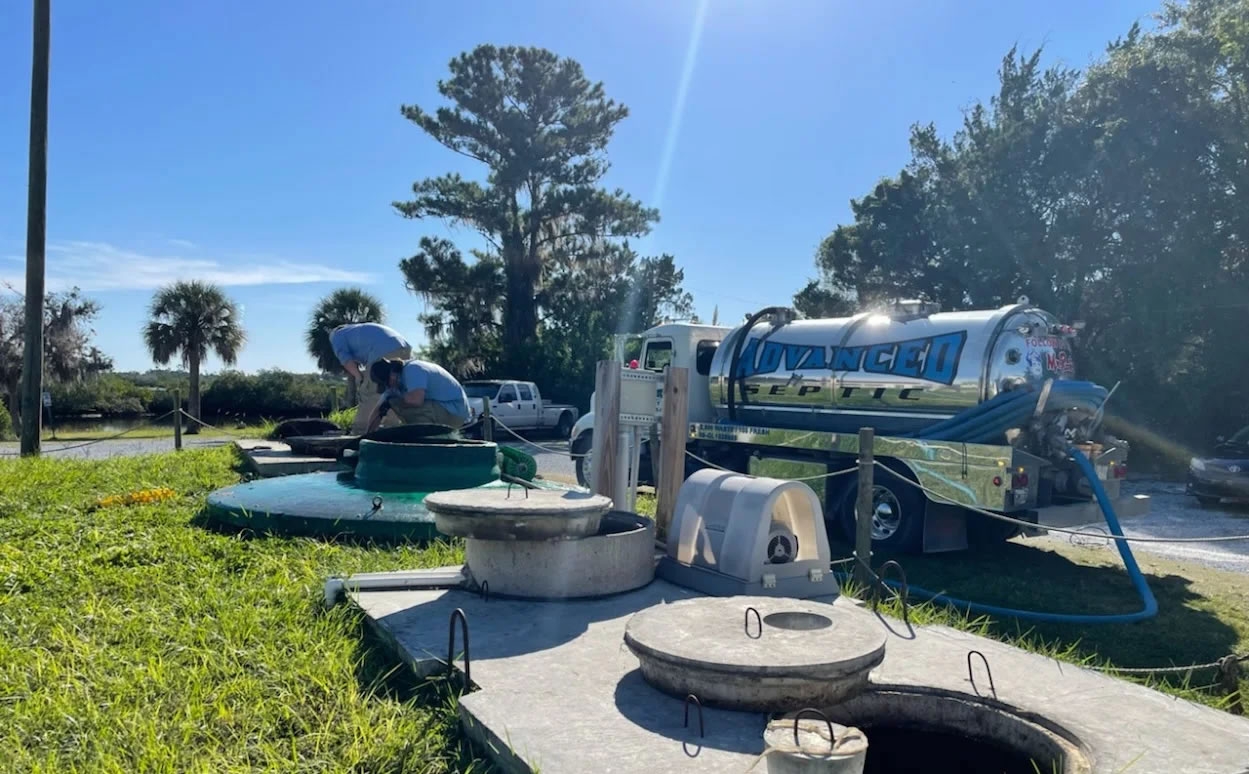

If you manage or own a property with an on-site wastewater system, you have probably heard about a grease trap and septic tank. While both systems are designed to manage waste, they have different purposes that you need to consider for reliable performance. At Advanced Septic, we believe that the first step to understanding how kitchen waste impacts on-site wastewater treatment is differentiating these systems. This is particularly important for restaurants and other commercial kitchen spaces, where improper maintenance and disposal habits can result in costly repairs and system failure.
One of the biggest differences between a grease trap and a septic system is the job each system is designed to perform. As the name suggests, a grease trap is specifically built to capture fats, oils, and grease (FOG) before they move farther into the drain lines. Although warm grease is in liquid form, it cools and hardens to form sticky clogs in pipes.
On the other hand, a septic system is designed to manage wastewater from your entire property. Effluent collects in the tank for separation before wastewater moves into the drain field for filtration and dispersal. If grease makes its way into the tank, it not only impedes this process but also causes frequent septic tank pumping visits in Citrus County, FL to prevent disruptions in a busy commercial kitchen.
The reality is that grease traps aren’t 100% when it comes to keeping FOG out of septic tanks, as some grease may eventually make its way down the pipes. Unlike biodegradable waste, grease doesn’t break down easily and floats to the top of the tank. Over time, this layer of scum interferes with the treatment process, causing frequent septic tank pumping and repair services.
When too much grease accumulates in the tank, it can back up into your pipes or toward the drain field. This reduces the soil’s ability to absorb and treat wastewater. If your drain field is clogged or damaged due to grease buildup, hiring a septic company for repairs can be expensive and disruptive. With that said, taking a proactive approach toward grease trap and septic maintenance helps reduce the amount of grease entering the tank in the first place.
Grease is not the only concern in a commercial kitchen. Food waste, sauces, coffee grounds, and other solids can also enter your wastewater system and cause havoc. Although a grease trap is designed to capture some of these materials, it’s not intended to take the place of proper food waste disposal practices.
If large amounts of food waste accumulate in the tank, they can increase the amount of solids and compromise performance. This means the system is working harder to get rid of excess solids, risking improper separation and drain field problems down the line. With this in mind, prioritizing proper waste disposal habits and keeping up with septic maintenance checks can make a big difference.
The reality is that grease traps and septic systems require proper maintenance to run reliably and efficiently year-round. If you neglect routine inspections by a trusted septic service company, you risk foul smells, blocked drains, or even environmental contamination. By hiring professionals for regular septic cleaning and repair, you can rest assured that your system is operating safely and efficiently year-round.
At Advanced Septic, we have experience working with both grease traps and septic systems, ensuring your wastewater system remains in top condition all year round. Contact us today to schedule a consultation with our experts and learn more about our comprehensive septic services.

A lush yard, vibrant flower beds, or shade from majestic trees is the dream of every property owner. If you are…
Read More
Home maintenance tasks range from landscaping and exterior pressure washing to HVAC system repair and plumbing or electrical work. However, septic…
Read More
A drain or leach field is one of the main components of a septic system. After wastewater leaves the tank and…
Read More
As a homeowner, few things are as unpleasant and stressful to deal with as a septic backup in the middle of…
Read More
Septic systems play a crucial role in residential wastewater management, especially in properties without a public sewer system. However, on-site units…
Read More