Preparing Your Property for a Dumpster Drop-Off
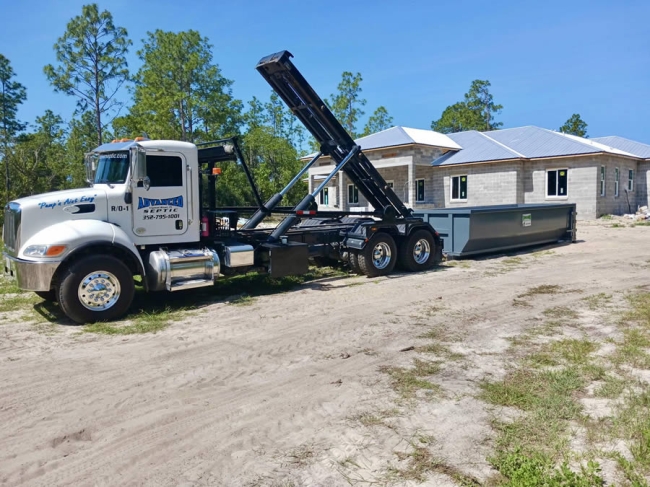
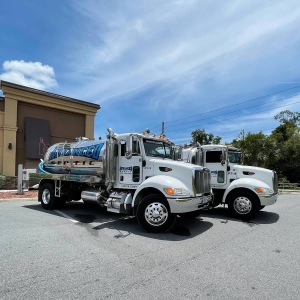
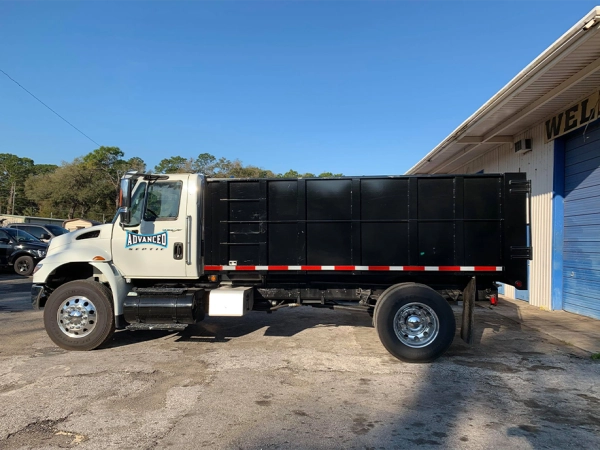
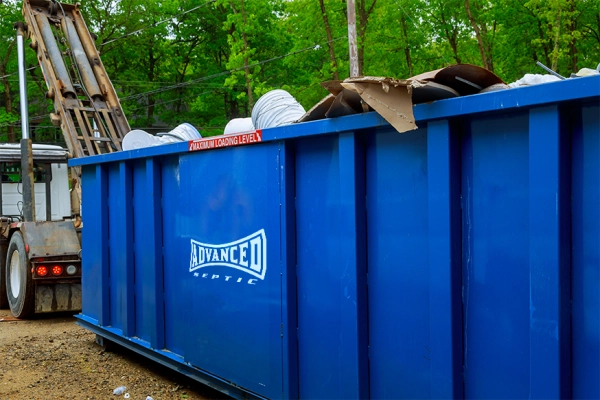
The delivery driver needs a clear path and a stable surface. Measure your driveway or planned placement area before you rent a dumpster. Most residential dumpsters require at least 10 to 12 feet of width for the truck to maneuver and an overhead clearance of around 23 feet to account for the delivery arm.
Take care of any low-hanging wires, tree branches, or structures that could interfere with the drop-off. The truck driver won't trim your landscaping or move obstacles. If the crew arrives and can't safely place the container, you'll have to reschedule.
Protect your pavement if you're concerned about damage. Dumpsters are heavy even when empty, and a full load can weigh several tons. You can use plywood boards to distribute weight. Asphalt driveways are more vulnerable to cracking or indentation than concrete, especially in hot weather.
Understanding Rental Periods, Pricing, and Hidden Fees
Standard rental periods run from three to seven days. Know your project timeline before you book. Rushing to fill a dumpster rental because the pickup is scheduled creates unnecessary pressure and increases the chance of accidents.
Base pricing covers the container size, a set weight limit, delivery, pickup, and disposal. Overage charges kick in when you exceed the included tonnage. These fees add up quickly because disposal costs are calculated per ton at the landfill. Extensions, early pickups, and additional hauls all come with separate charges.
Ask for a written quote that explains every component. Some companies advertise a low base rate but load the backend with fees for things like fuel surcharges, environmental costs, or administrative processing. A transparent company will hand you a flat price with clear terms on what's included and what triggers extra costs.
When a Dumpster Makes More Sense Than Hauling It Yourself
Hauling debris yourself sounds cheaper until you factor in your time, fuel, dump fees, and vehicle wear. Most municipal landfills charge by weight or by load, and those trips add up when you're clearing a house or demolishing a structure. A single rental eliminates repeated drives and lets you focus on the actual work instead of logistics.
Commercial dumpsters make even more sense on job sites with multiple crews or ongoing waste generation. Contractors can't afford downtime waiting for someone to run debris to the dump. A container on-site keeps the workflow moving and meets safety regulations that require proper waste containment.
Commercial dumpsters also help you avoid the risk of damaging your truck or trailer. Construction debris is sharp, heavy, and awkward. Overloading a pickup bed or strapping down materials improperly creates liability on the road. One blown tire or shifted load can cost more than renting the right equipment from the start.
Do You Need to Rent a Dumpster?
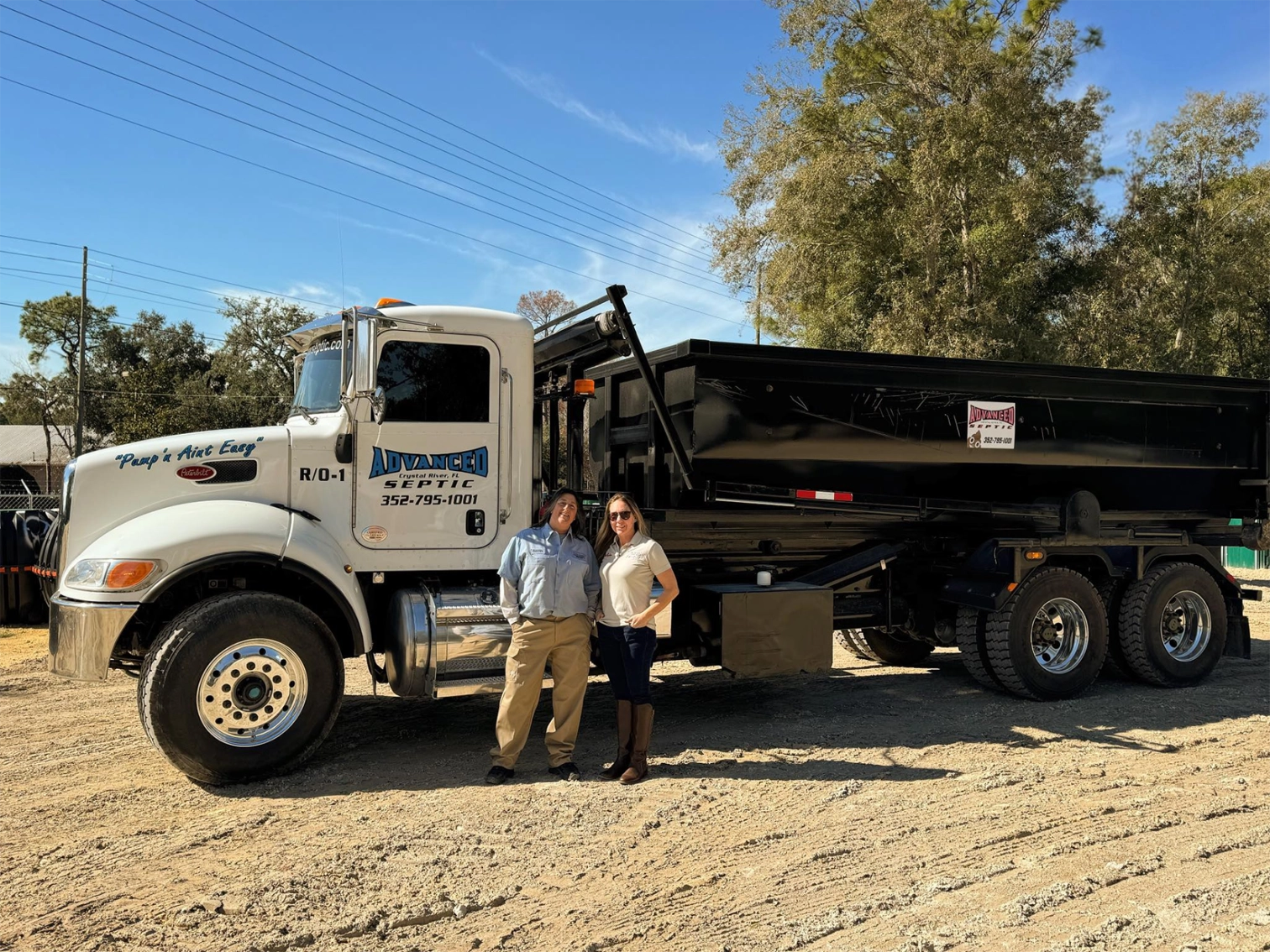
The right dumpster rental keeps your project on schedule and your property clear of debris. Knowing what size you need, what materials you can dispose of, and how to prepare your site prevents delays and unexpected costs. Whether you're managing a small home cleanout or coordinating a large-scale renovation, roll-off dumpsters put the control back in your hands. Advanced Septic provides reliable dumpster services. We'll help you choose the right size, explain exactly what you can toss, and deliver on time so you can focus on finishing the job. Call us today to book your rental and keep your project moving forward.