Your household size matters too. A three-bedroom home generates different wastewater volumes than a five-bedroom house, even if the physical square footage looks similar. We calculate daily flow rates based on the number of bedrooms and bathrooms to size the tank correctly. Undersizing leads to backups and system failure. Oversizing wastes money upfront without adding any real benefit.
Choosing the Perfect Septic Tank for Your Home
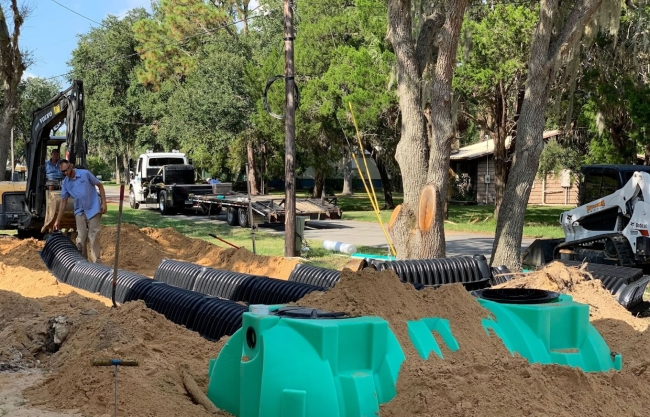
Most residential systems use either concrete, fiberglass, or polyethylene tanks. Concrete tanks last the longest, but weigh more and cost more to install. Fiberglass and poly tanks resist corrosion better and install faster since they're lighter. Your soil conditions and site access determine which material makes the most sense.
Tank size depends on your home's bedroom count, not how many people currently live there. A three-bedroom house needs at least a 1,000-gallon tank under Florida regulations. Add another bedroom, and you're looking at 1,250 gallons minimum. The tank holds solids while liquids flow to the drain field, so adequate capacity prevents solids from pushing through too soon and clogging your drain lines.
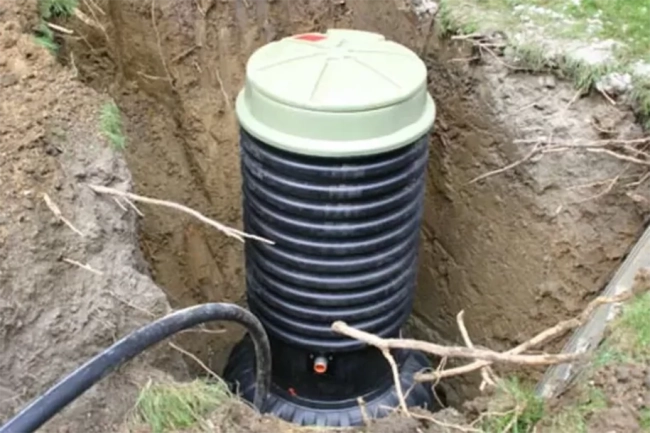
Single-compartment tanks work for basic systems, but two-compartment designs provide better separation and clearer effluent going to the drain field. That second chamber gives solids more time to settle before anything leaves the tank. Some properties need pump tanks if the drain field sits uphill from the house. Gravity can't do the work, so a pump moves effluent where it needs to go.
Permits and Inspections Required for a New Septic System
You can't install a septic system in Florida without getting a construction permit from the county health department first. The permit application includes your site evaluation results, system design plans, and proof that you meet all setback requirements. Processing takes anywhere from a few days to multiple weeks, depending on how backed up the permitting office is and whether your design needs any variances.
The health department inspects the work at multiple stages. They check the excavation depth before the tank goes in, verify the tank installation meets code, and inspect the drain field layout before it gets covered. Each inspection has to pass before we move to the next phase. Failed inspections mean fixing whatever's wrong and scheduling a re-inspection, which delays your timeline.
After the final inspection passes, the county issues a certificate of completion. This document proves your system was installed legally and to code. You'll need it if you ever sell the property. Some mortgage companies won't close on a home purchase without seeing proof of a permitted septic system.
Understanding the Installation Process
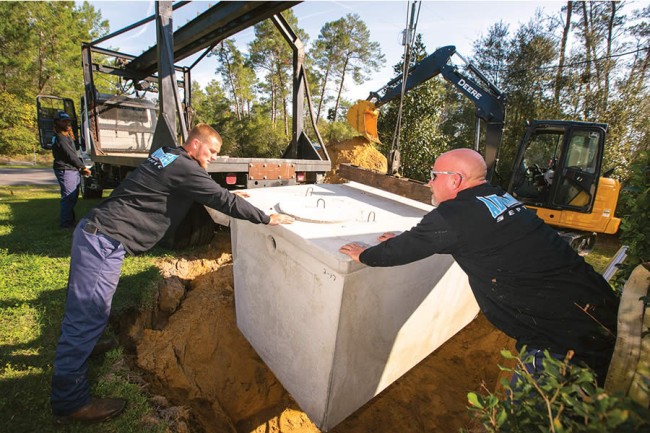
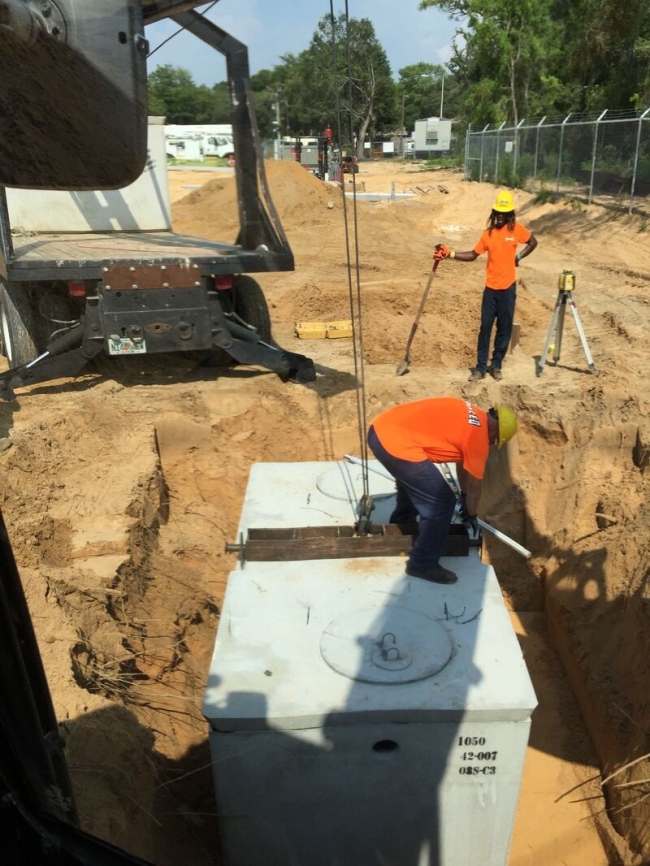
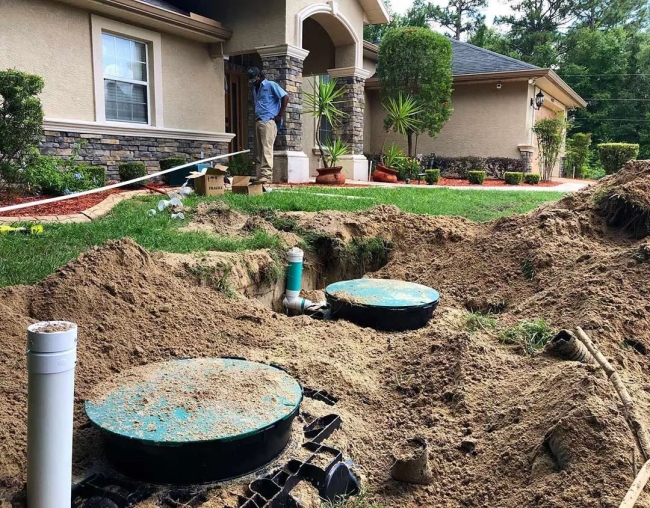
Once permits are in hand, we schedule excavation. Heavy equipment digs the hole for your tank and trenches for the drain field lines. We set the tank in place, making sure it's level and at the right depth. Tanks that sit unlevel develop problems over time as solids settle unevenly.
We connect the inlet pipe from your house to the tank and the outlet pipe to the distribution box. The distribution box splits the flow evenly between the drain field trenches. Each trench gets a perforated pipe surrounded by gravel, which helps distribute wastewater into the soil. The depth and spacing of these trenches follow your permit specifications exactly.
After connections are complete and inspections pass, we backfill everything carefully. Soil gets compacted in layers to prevent settling that could crack pipes later. We restore your yard as close to its original grade as possible. New systems need time to establish bacterial colonies that break down waste, so don't overload the system right away with laundry marathons or long showers.
First-Year Care Tips to Get the Most Life Out of Your New System
Your new septic system needs three to five years to reach full biological efficiency, but the first year sets the tone. Don't pour grease, chemicals, or anything non-biodegradable down your drains. Grease solidifies and clogs the drain field pores. Harsh chemicals kill the beneficial bacteria that digest waste in your tank.
Spread out water usage throughout the week instead of doing all your laundry in one day. Septic systems handle steady loads better than sudden surges. A single day of heavy water use can push solids into the drain field before they've had time to break down properly. That clogs the soil and shortens your system's life.
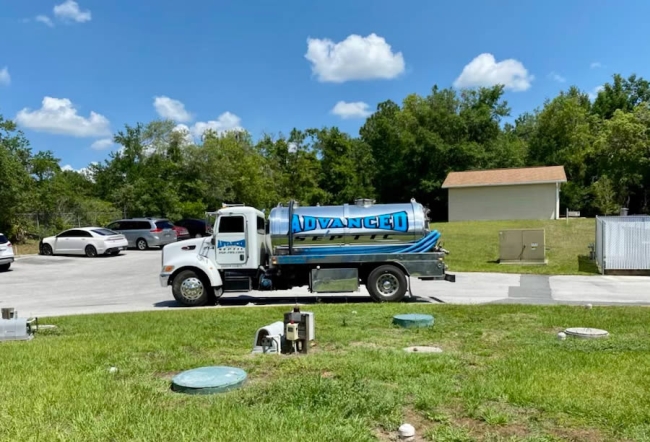
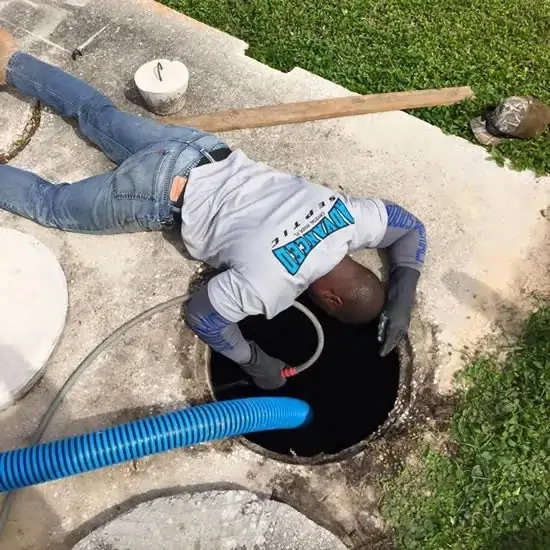
Watch your drain field area for any soggy spots, odors, or unusually green grass. These signs point to problems developing. Getting septic service early prevents small issues from becoming expensive failures. Schedule your first tank pumping within three to five years. Regular pumping removes accumulated solids that don't break down and keeps your system working properly.
A well-installed and maintained septic system should give you decades of reliable service. Most problems trace back to poor installation practices or neglect. When you work with an experienced septic company that follows code requirements and uses quality materials, you're setting yourself up for success.
Are You Looking for a Septic Installer in Citrus County, FL?
Advanced Septic takes care of every step of septic tank installation in Citrus County, from site evaluation through final inspection. We size systems correctly, pull all required permits, and install everything to code the first time. Our installations pass inspection without delays because we know exactly what the county looks for. Contact us today for a property evaluation or septic service. We'll answer your questions and explain exactly what your property needs.