New construction or property changes also drive removal. If you're adding a garage, a pool, or an addition that sits over your current drainfield or tank, you'll need to relocate or eliminate the system. Developers working on subdivisions or commercial projects pull old tanks all the time to make room for new infrastructure. Leaving a decommissioned tank underground creates sinkholes and liability, so removal is the cleaner solution.
Permits and Regulations That Apply to Septic Removal
You can't just dig up a tank and haul it off. The Florida Department of Health oversees the process. You'll submit an application that includes your property survey, proof of sewer connection or a plan for replacement, and documentation that the tank will be disposed of legally. The health department reviews the application and issues a permit before excavation starts.
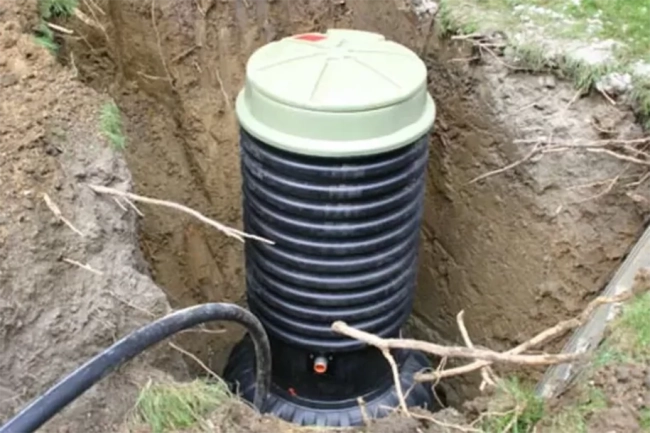
Environmental regulations dictate how waste gets handled. Any remaining sludge or effluent must be pumped and transported by a licensed hauler to an approved treatment facility. You can't drain wastewater onto the ground or into storm drains. The tank has to be crushed, recycled, or taken to a landfill that accepts septic materials. Concrete tanks get crushed on-site or hauled whole. Fiberglass and plastic tanks are cut apart and recycled when possible.
Septic inspections happen after removal. The health department sends an inspector to verify that the tank was removed correctly, the hole was filled with clean material, and no contamination remains. You'll get a closure certificate once everything checks out. Without that certificate, you could run into problems when you sell the property or apply for future permits.
The Step-by-Step Tank Removal Process
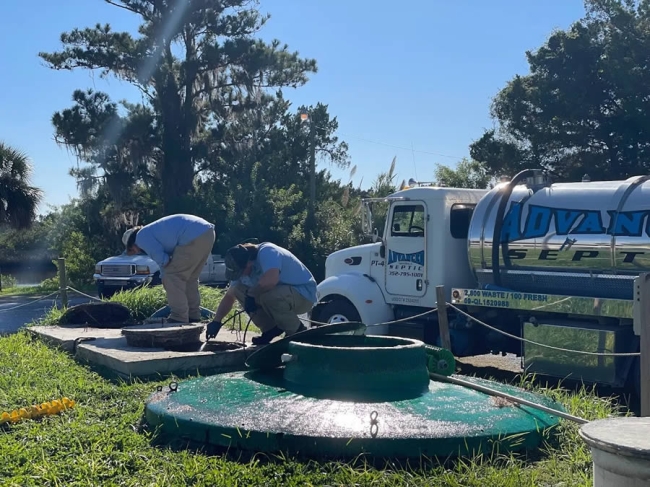
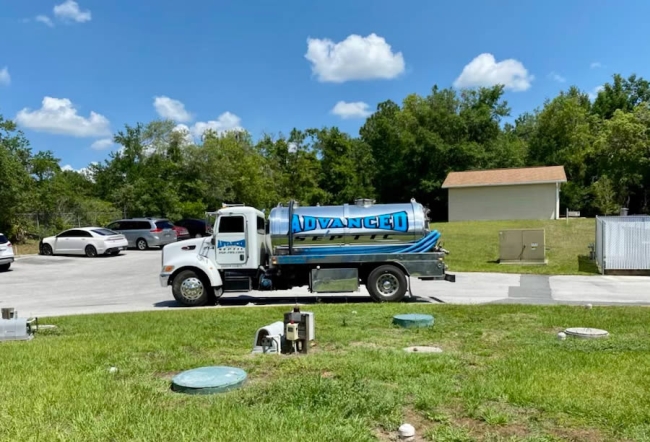
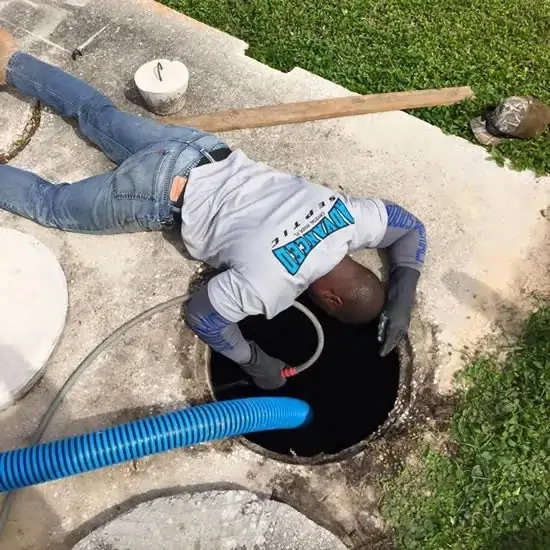
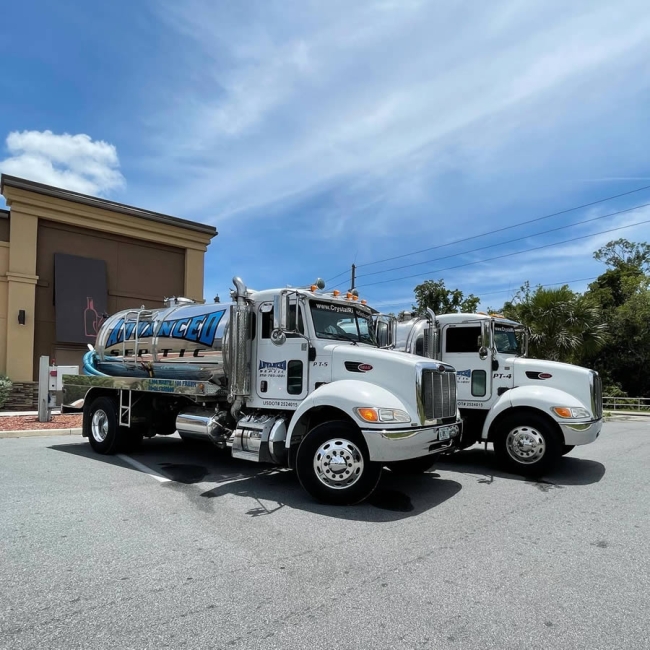
The first step is to pump the tank completely. A septic company sends a vacuum truck to remove all liquid and solids. This prevents spillage during excavation and makes the tank lighter to lift. The crew also checks for structural damage at this stage. If the tank has collapsed or shifted, removal becomes more complicated.
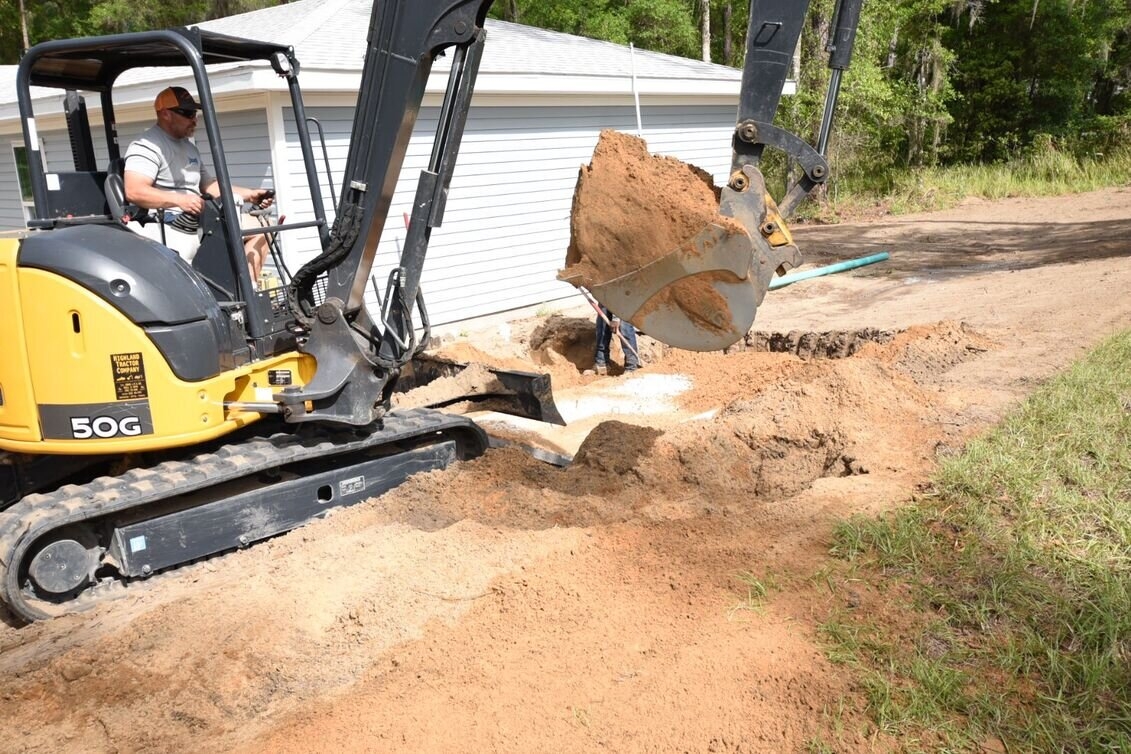
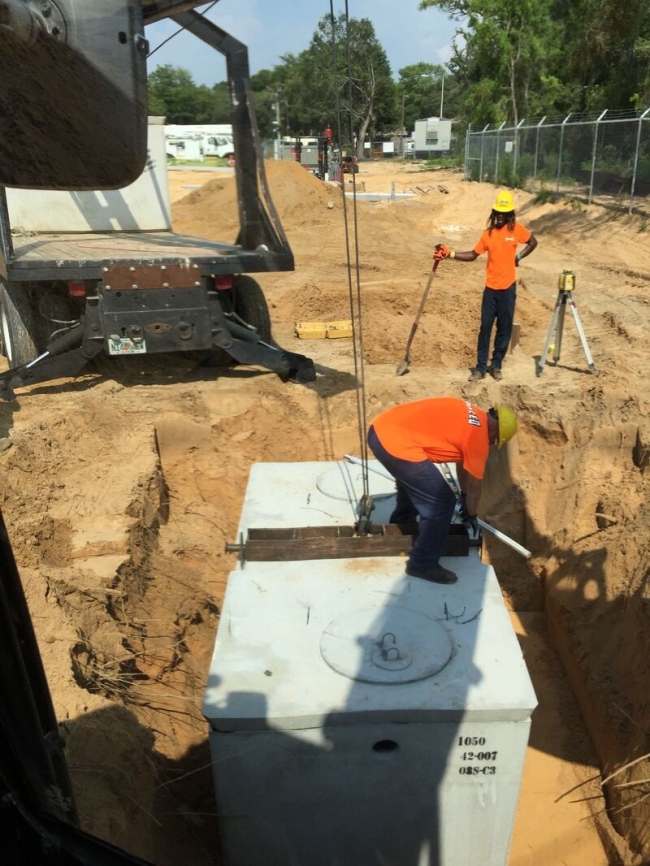
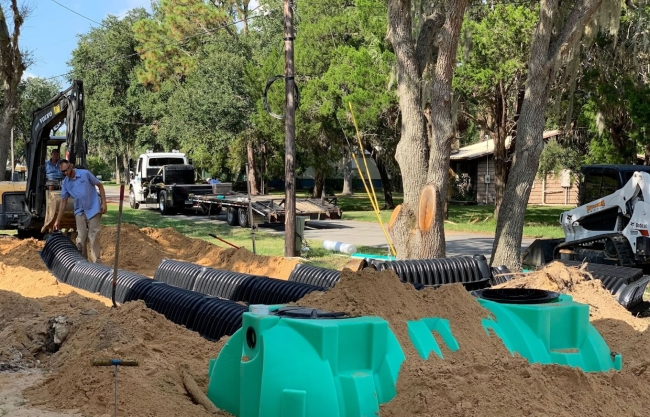
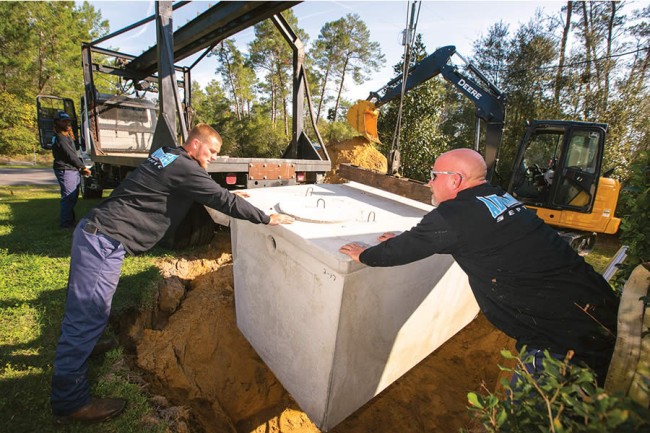
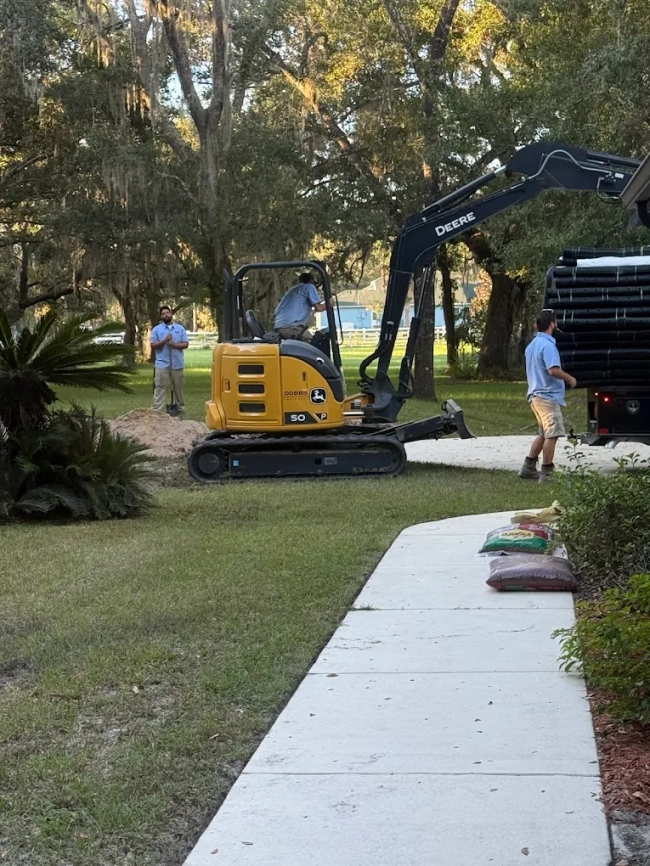
Excavation comes next. Heavy equipment digs around the tank to expose the walls as well as the inlet and outlet pipes. The crew cuts the pipes and seals them to prevent soil or groundwater from entering. Depending on the tank's size and condition, they'll either lift it out whole with a crane or break it apart in the hole. Concrete tanks that are too large or too damaged to lift get demolished on-site with a hydraulic hammer.
Once the tank is out, the hole is inspected for contamination. If the tank leaked or the drainfield failed, the surrounding soil may be saturated with effluent. Contaminated soil gets excavated and disposed of separately. The crew then backfills the hole with clean fill dirt or gravel, compacting it in layers to prevent settling. The surface is graded to match the surrounding terrain, and sod or seed can be added if needed.
Environmental and Safety Precautions During Removal
Septic waste contains bacteria, viruses, and chemicals that pose health risks. Crew members wear gloves, boots, and protective clothing during removal. Anyone working near the tank avoids direct contact with sludge or contaminated soil. The site is marked off to keep pets and bystanders away until the work is complete.
Groundwater protection is a priority. If the tank sat near a well, pond, or wetland, extra care goes into preventing contamination during excavation. The crew monitors for leaks or spills and contains any waste immediately. Contaminated soil doesn't mix with clean fill, and all materials get hauled to the correct disposal facility.
Tank collapse is a serious danger. Old concrete tanks can cave in under their own weight once they're exposed. Workers stay clear of the excavation while heavy equipment does the lifting. If a tank breaks apart unexpectedly, the crew adjusts the plan to remove it in pieces rather than forcing a dangerous lift.
What Happens to Your Property After the Tank Is Gone
The backfilled area will eventually start to settle. Even with proper compaction, soil shifts as it adjusts to moisture and gravity. You might notice a slight dip in the first few months. Adding a layer of topsoil and compacting it again usually solves the problem. If you're planning to build over the old tank location, wait a season to let the ground stabilize.
Future buyers will want to know the tank was removed correctly. Keep your permit, closure certificate, and any inspection reports in your property file. These documents prove the work was done legally and reduce questions during a sale. They also protect you from liability if a sinkhole or contamination issue comes up later.
Do You Need Septic Removal in Citrus County, FL?
Are you looking for a qualified local septic company? Septic tank removal in Citrus County requires permits, proper disposal, and attention to safety and environmental rules. Cutting corners leads to fines, contamination, and property damage. Advanced Septic takes care of every step, from permit applications to final grading, so you don't have to worry about whether the job meets code. Call us to schedule an assessment and get a clear timeline and cost estimate for your project.