The trap doesn't eliminate grease. It captures it so you can remove it before it causes damage. If you skip regular grease trap maintenance, you'll end up with overflows, bad odors, and potential fines from local inspectors.
Signs Your Grease Trap Is Overdue for a Cleaning
Slow drains are usually the first warning. If your three-compartment sink takes longer to empty than it used to, grease has likely accumulated in the trap and reduced its capacity. You might also notice water pooling around floor drains or backing up into prep sinks when other fixtures are in use.
Smell is another obvious indicator. When grease breaks down, it produces a rotten, sulfurous odor that gets worse as temperatures rise. If your kitchen smells like spoiled food even after you've cleaned everything, the trap is probably full. Fruit flies and pests are drawn to decomposing organic material, so an uptick in bugs can also point to a neglected trap.
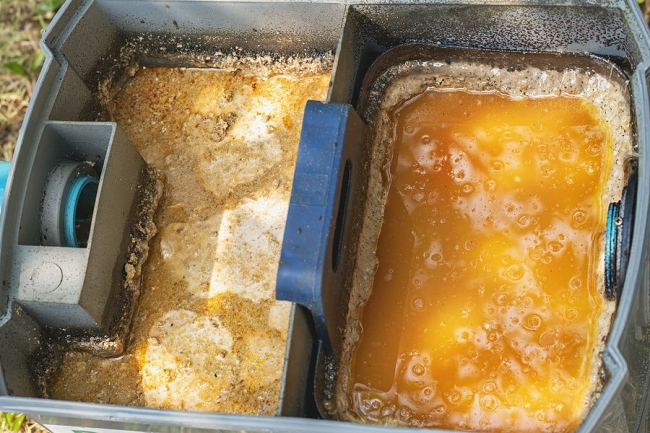
Visible grease on the surface of the water inside the trap is a clear sign you're past due. Open the lid and check the level. If the grease layer is thicker than a couple of inches or the trap is more than 25% full, it's time to schedule grease trap cleaning. Waiting too long increases the risk of a total backup, which can shut down your kitchen until the problem is fixed.
How Often Your Trap Needs to Be Pumped Based on Volume
The frequency depends on how much grease your kitchen creates and the size of the trap. A busy restaurant with heavy frying might need grease trap pumping every two to four weeks. Smaller operations with less grease output can go longer, sometimes up to three months, but that's the exception rather than the rule.
Most municipalities use the 25% rule as a guideline. Once the combined thickness of the floating grease and settled solids reaches 25% of the trap's total capacity, it's time to pump. Some local codes are stricter and require service before you hit that threshold. Check with your city or county health department to confirm the regulations in your area.
Volume also matters. A high-volume kitchen that serves hundreds of meals a day will fill a trap faster than a coffee shop that only uses a small fryer. If you've recently increased your menu offerings or extended your hours, you may need to adjust your service schedule. Keep records of each cleaning so you can track patterns and anticipate when the next one is due.
What Happens if You Fall Out of Compliance
Cities and counties enforce grease trap regulations through health departments and wastewater management agencies. Most require permits, regular septic inspections, and proof of service through manifests or receipts. If you fail to provide documentation, you risk fines that start in the hundreds of dollars and climb from there.
Inspectors can show up unannounced. They'll check the trap, review your service records, and look for signs of improper disposal. If they find violations, they'll issue a notice of correction with a deadline. When you miss that deadline, the penalties increase. In severe cases, they can suspend your operating permit until you come into compliance, which means closing your doors until the problem gets fixed.
Some areas also hold businesses liable for sewer line blockages caused by grease discharge. If your trap overflows and contributes to a municipal backup, you could be charged for the cleanup costs. Those bills run into the thousands, depending on the extent of the damage. Staying compliant with grease interceptor service requirements protects you from these financial hits and keeps your business in good standing with local authorities.
What Happens During a Professional Grease Trap Cleaning
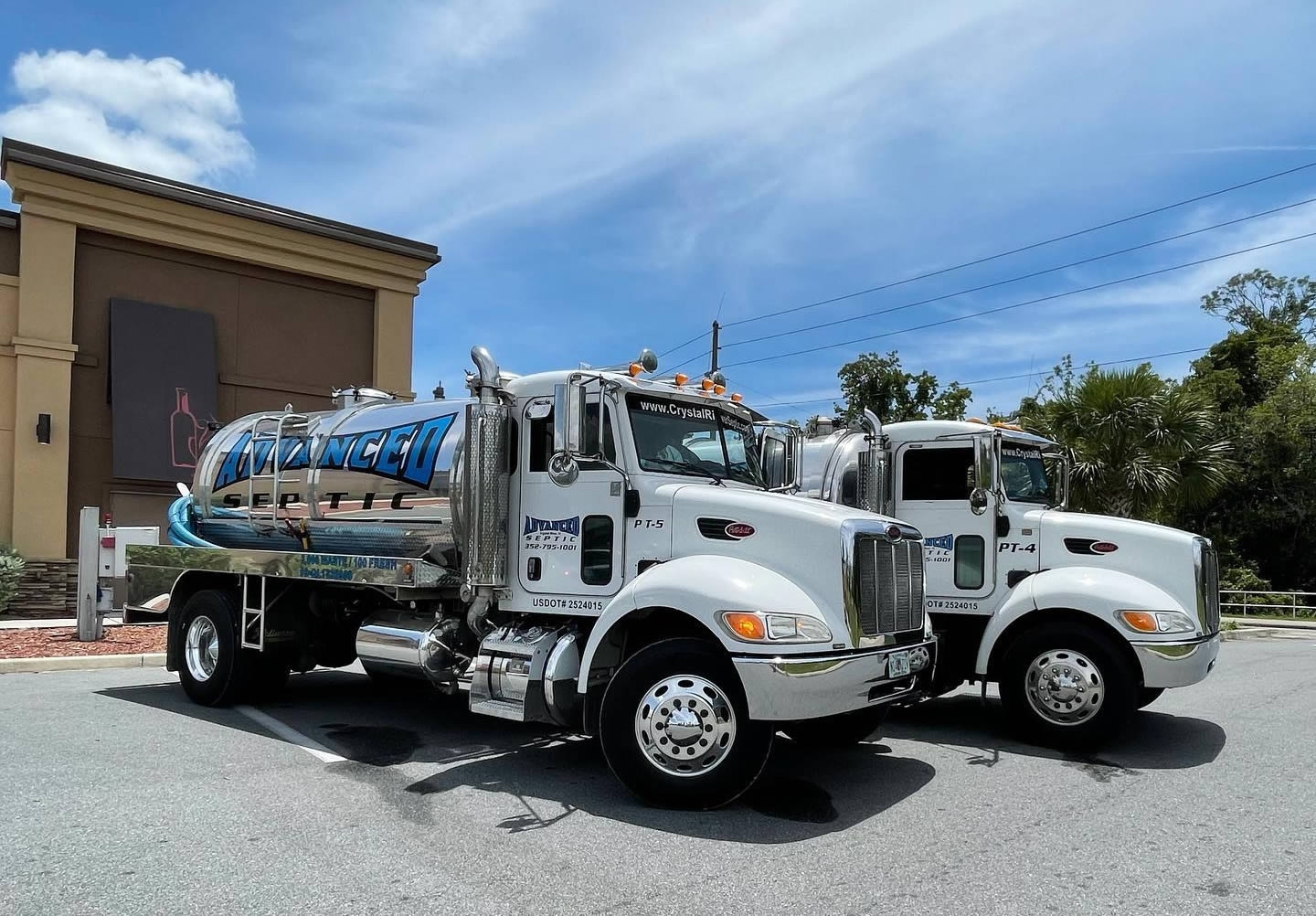
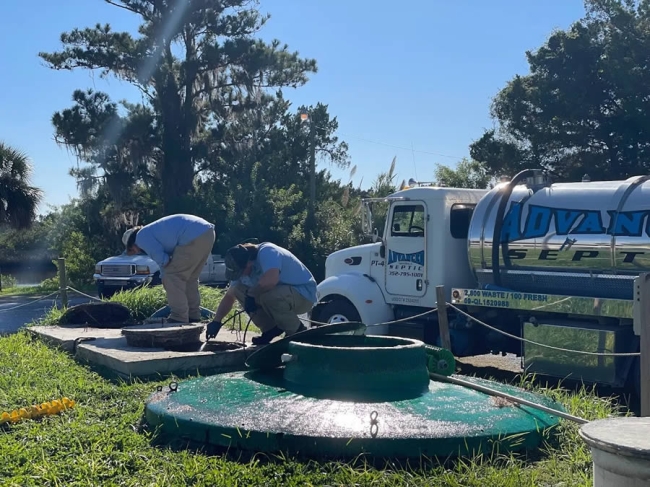
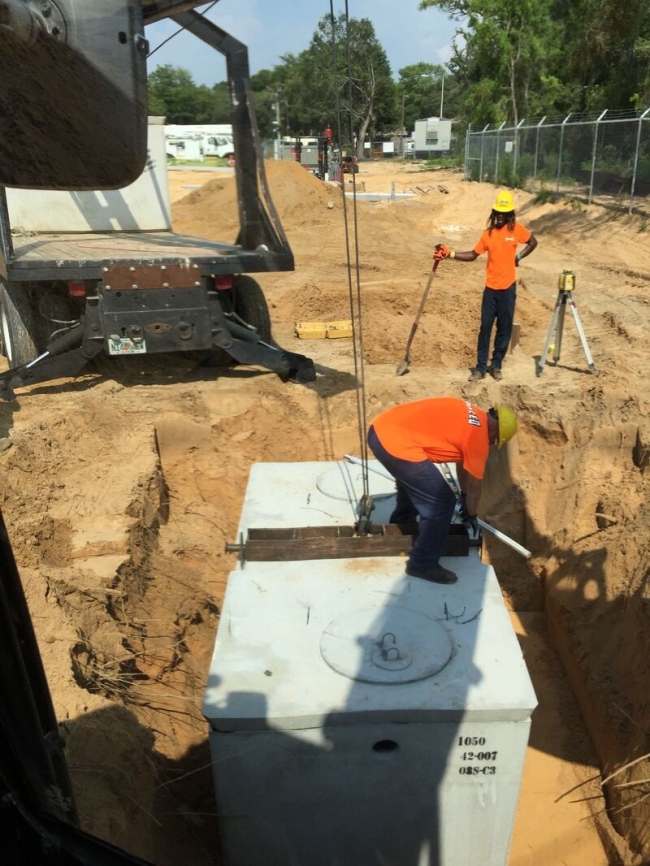
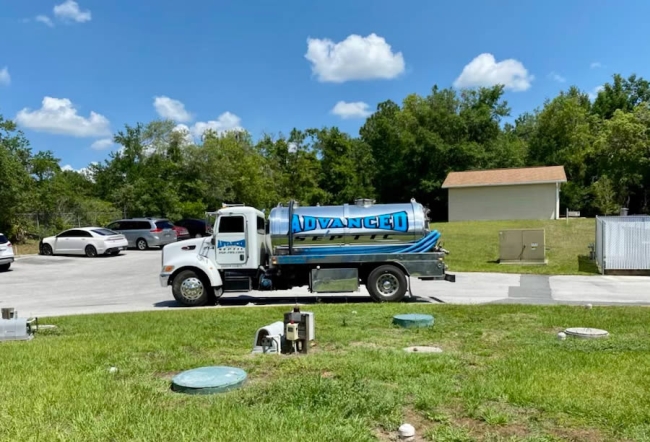
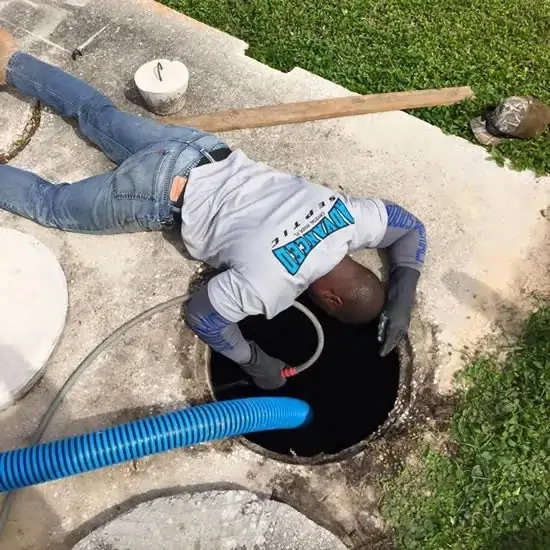
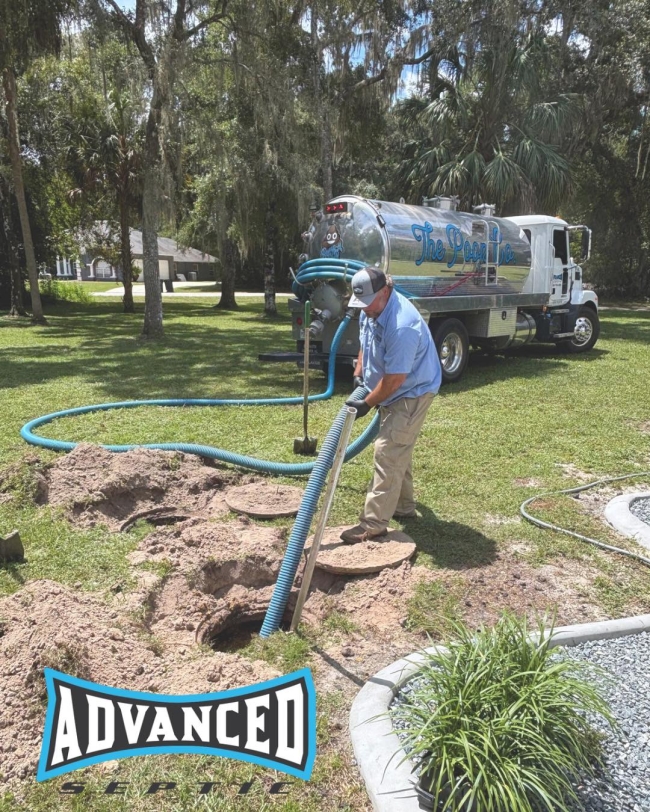
The service begins with removing the lid and inspecting the trap's condition. The technician will measure the grease and solids levels, then use a vacuum truck to pump out the entire contents. This includes the floating grease, the wastewater, and the solids settled at the bottom. Partial cleanings don't work because they leave residue that accelerates future buildup.
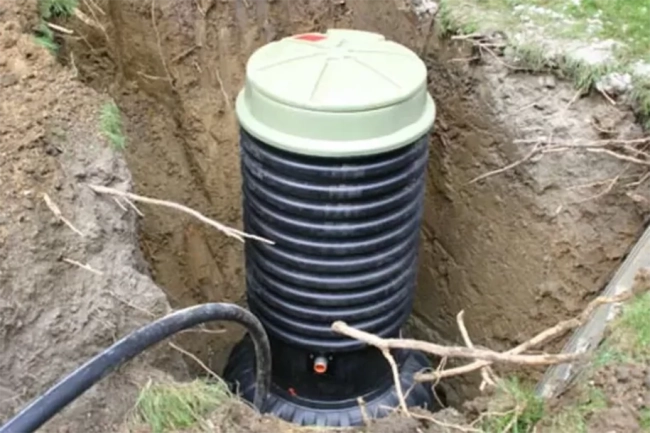
After a grease trap pumping, the tech will scrape down the baffles, walls, and inlet and outlet pipes to remove any stuck-on grease. They'll also check for structural damage like cracks, corrosion, or faulty gaskets. If they spot a problem, they'll let you know so you can schedule repairs before the trap fails completely.
The last step is disposal. Haulers transport the waste to approved treatment facilities where it's processed according to environmental regulations. You'll receive a manifest or service ticket that documents the date, volume, and disposal location. Keep the records on file because inspectors might ask to see them during audits. Grease interceptor cleaning done by a professional also includes a final rinse to flush out any remaining debris and confirm that water flows freely through the system.
Simple Daily Habits That Extend the Life of Your Grease Trap
Scraping plates and cookware before washing them cuts down on the amount of grease entering your drains. Train your staff to dump fryer oil and pan drippings into a designated collection container instead of pouring them down the sink. Even small amounts add up over the course of a shift.
Install mesh strainers in all your sinks. They catch food and prevent it from mixing with grease in the trap, which slows down the rate at which solids accumulate. Empty and clean the strainers at the end of each shift so they don't clog and force water to bypass them.
Hot water alone won't prevent grease buildup. Grease liquefies when heated but solidifies again as soon as it cools, which happens before it leaves your plumbing. Skip the degreasing chemicals, too. They break down fats temporarily but push the problem further down the line, where it can cause blockages in the municipal system. Stick to mechanical removal and regular service instead.
Do You Need Professional Grease Interceptor Cleaning?
Don't wait for a backup to force your hand. Schedule your grease trap maintenance now and avoid the headaches that come with emergency repairs, fines, and lost business. Contact Advanced Septic today to set up a grease interceptor service plan that fits your kitchen's needs. We've been keeping commercial kitchens compliant and clog-free for years, and we'll make sure yours is no exception.