Menu

Call Us This Wednesday to Get $15 Off
Trusted Septic Services in Central Florida Call This Wednesday to Get $15 Off
Call Us This Wednesday to Get $15 Off
Trusted Septic Services in Central Florida Call This Wednesday to Get $15 Off
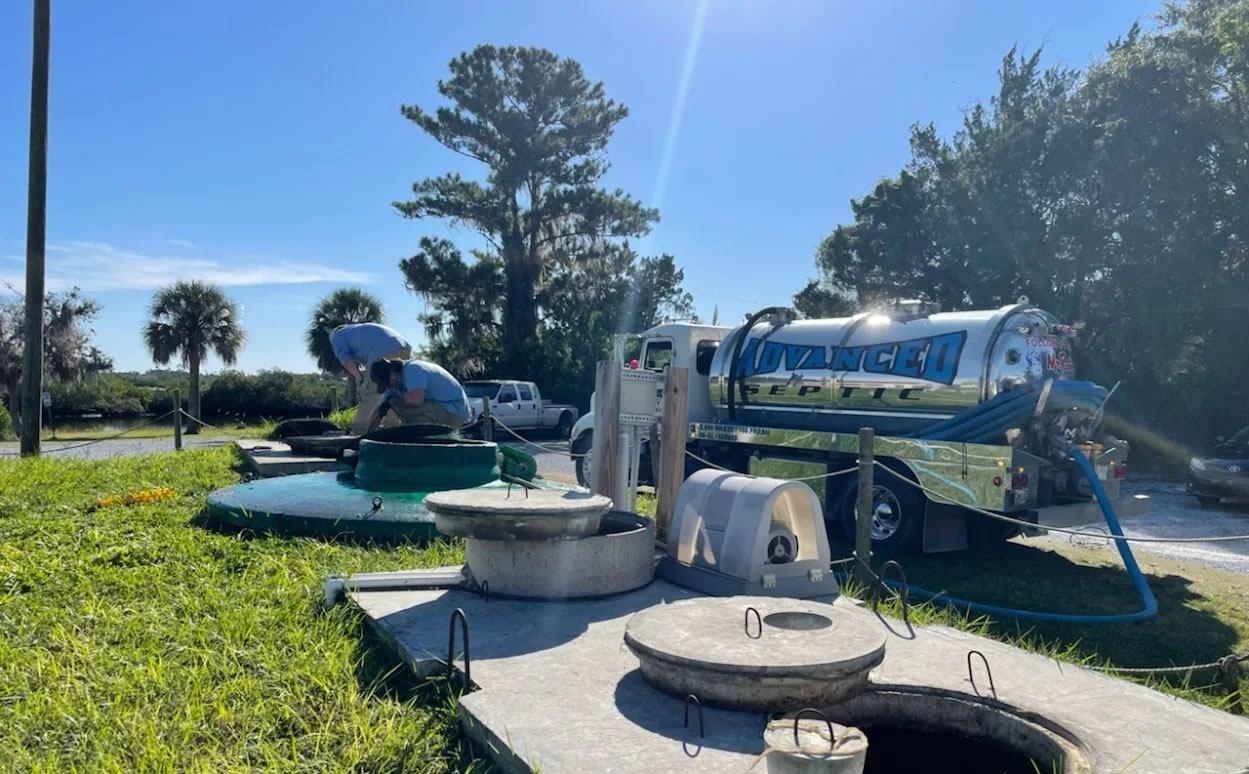
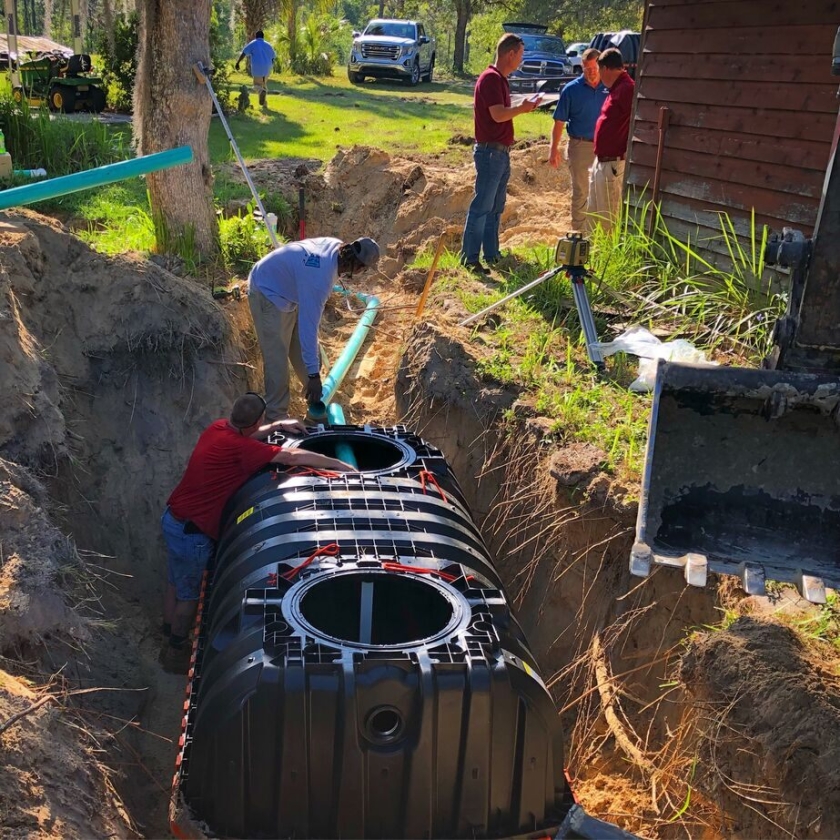
As a homeowner, dealing with septic backups is not just a nuisance but a sign that your system needs attention. With that said, familiarizing yourself with the potential causes can help you make informed decisions and avoid devastating damage down the line. Although an isolated clog may not raise concerns at first, multiple drains require the expertise of a professional septic service provider in Citrus County, FL. The trained technicians at Advanced Septic leverage extensive industry knowledge and experience to inspect, diagnose, and determine whether routine cleaning or repair is necessary. Let’s delve into the common reasons for a frequently failing septic system to inform your decisions.
One of the most common causes of a frequently failing or backing up septic system is the lack of regular maintenance. Wastewater from your home collects in the tank for separation, filtration, and dispersion. Over time, solids in the tank accumulate, obstructing this process and causing gray water to flow back into your home or yard. The best way to prevent this problem is to schedule regular inspections with a reputable septic company. According to industry experts, septic cleaning every 1-2 years, as well as pumping every 3-5 years, can ensure solids don’t overwhelm the system and cause failure.
Your septic system is designed to handle organic, biodegradable waste, typically human waste and toilet paper. Unfortunately, household waste is not always decomposable, causing serious problems that are expensive to fix. Flushing items like paper towels, feminine hygiene products, and diapers can clog the pipes and tank, forcing wastewater back up your drain lines and flood your indoor spaces or yard. Professional septic tank pumping can restore smooth flow and reliable performance, but poor disposal habits can cause recurring problems. Educate everyone about what should and shouldn’t end up in the toilet to ensure your system remains in good working order for many years.
Septic systems come in varying sizes to meet the disposal needs of different households. The average capacity of a residential septic tank is typically 1,000-1,500 gallons, depending on the number of bedrooms. With this in mind, running multiple loads of laundry or using multiple plumbing appliances and fixtures simultaneously can strain your system. By managing water usage and prioritizing regular septic maintenance, you can significantly reduce the risk of overloading the tank and backups.
Trees play a crucial role in our landscapes and the environment. While the numerous benefits that these magnificent entities are undeniable, their vast roots can invade septic systems and pipes. Whether it is a hairline crack, a loose connection, or a burst line, roots can grow inside the system searching for moisture and vital nutrients. Although the impact may not be immediate, delaying professional septic service can lead to blockages and costly backup repairs down the line. If you have healthy mature trees in your yard, call a septic company to develop a care plan that includes routine inspections and pumping.
A failing drain or leach field can’t absorb and disperse wastewater properly, causing slow drains and backups. The most common causes of drain field-related issues include oversaturation, soil compaction, or aging components, which contribute to system failure. You can keep your wastewater treatment unit in top condition by avoiding construction or driving on it, as well as keeping up with routine septic cleaning visits. Addressing problems early before they escalate can prevent more than just backups, keeping your home functioning, safe, and comfortable year-round.
Now that you know the common reasons for constant septic backups, implementing preventive septic maintenance can help avoid disruptions and expenses. Contact Advanced Septic for an inspection and tailored septic service at friendly rates.
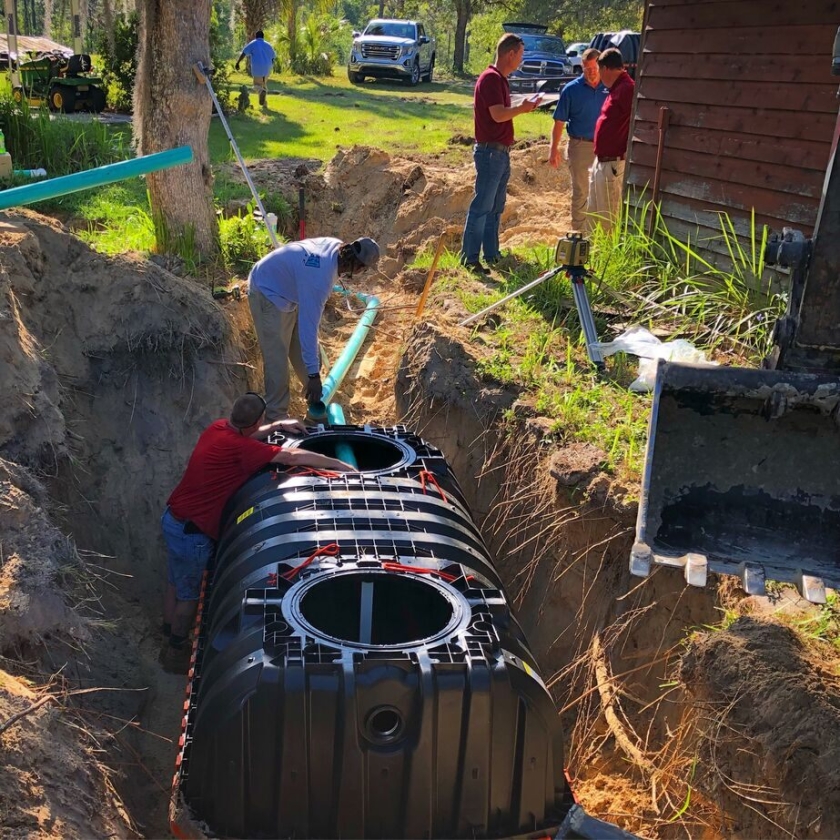
It’s no secret that utility costs are rising and calls for environmental sustainability are getting louder. For these reasons, water conservation…
Read More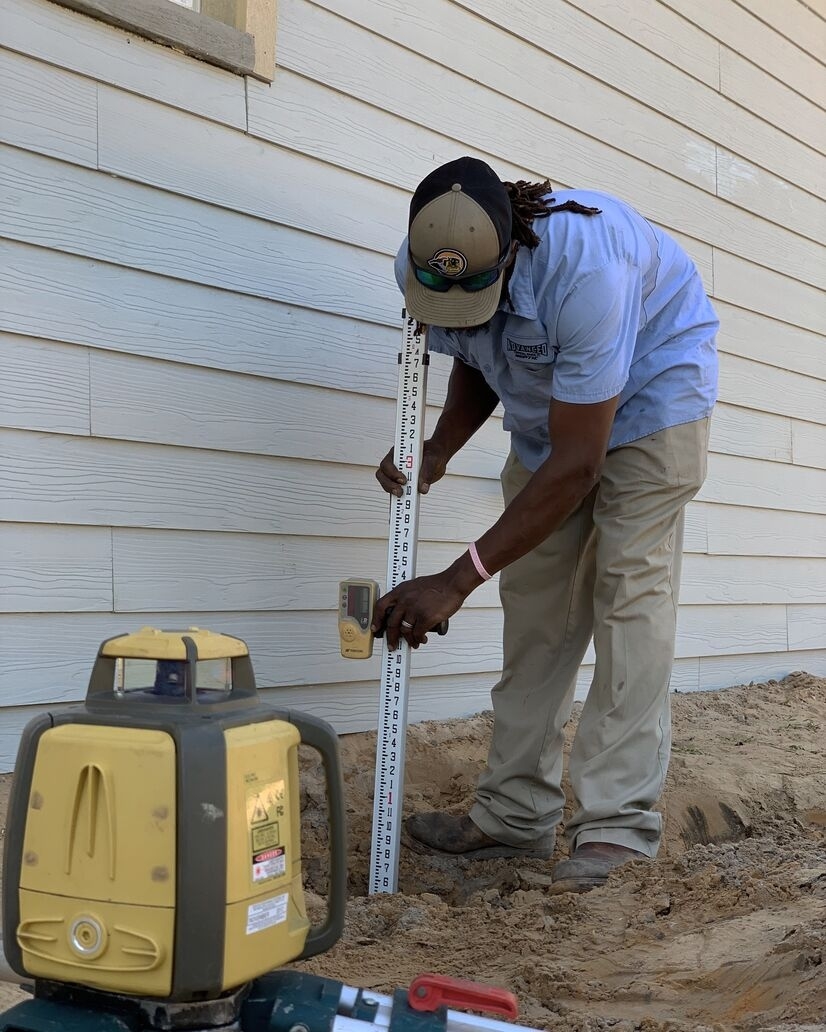
Septic system problems often begin below ground long before visible symptoms appear. By the time wastewater backs up into drains or…
Read More
Your yard is more than just shade trees, flower beds, and curb appeal; it is also where your wastewater treatment system…
Read More
When was the last time you thought about your septic system? Many homeowners' response would most probably be "never" until there…
Read More
Septic systems play a crucial role in managing wastewater from homes and businesses without a municipal sewer system. When functioning properly,…
Read More