Menu

Call Us This Thursday to Get $15 Off
Trusted Septic Services in Central Florida Call This Thursday to Get $15 Off
Call Us This Thursday to Get $15 Off
Trusted Septic Services in Central Florida Call This Thursday to Get $15 Off
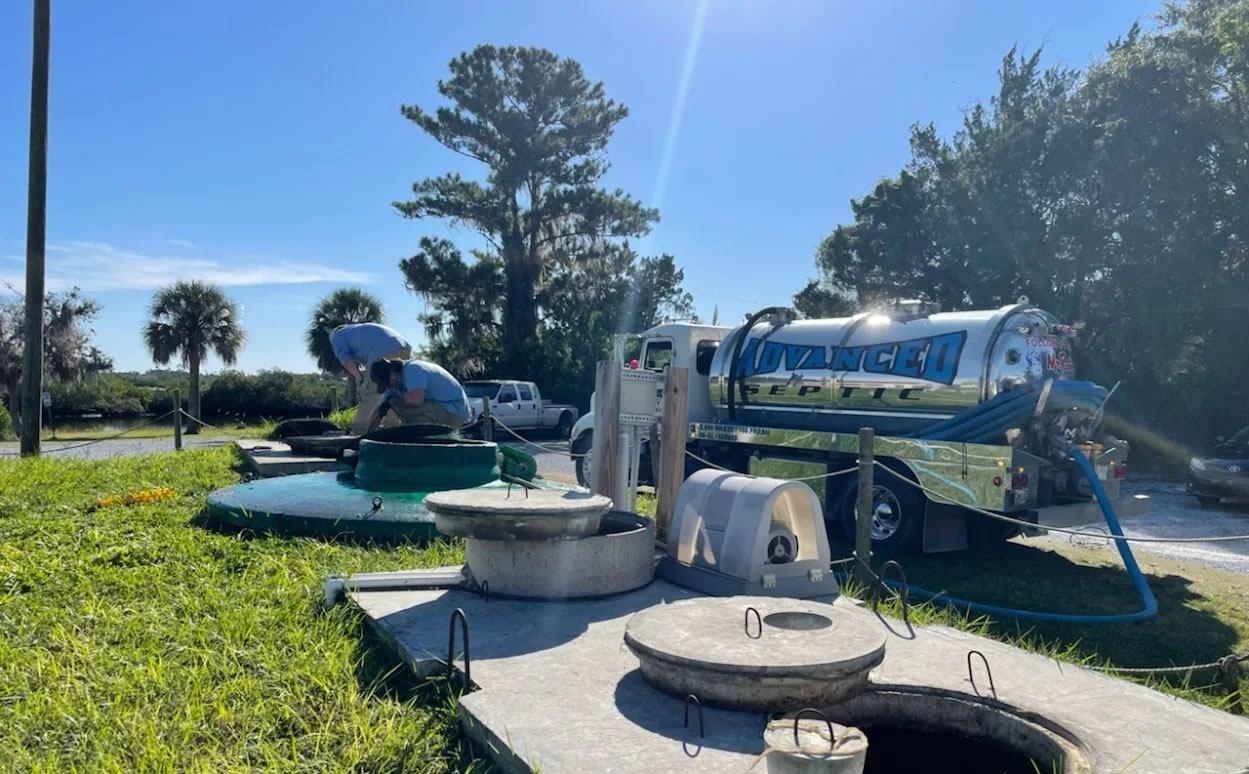

Septic systems work behind the scenes to manage the waste of residential and commercial properties without a public sewer system. Despite their discreet design, these systems require consistent care to remain functional and reliable. Property owners often overlook one simple fact: what goes down drains and toilets can affect system performance. This means that even small daily habits can preserve your unit or lead to costly repairs. At Advanced Septic, we understand what should and shouldn’t be flushed, helping our clients make the most of their investments.
On-site wastewater treatment systems are designed to handle organic waste, typically toilet paper and human waste. By understanding the basics of how your system works, you can ensure timely septic tank pumping and cleaning. A functioning septic system collects wastewater from your home in the tank for separation, allowing beneficial bacteria to break down waste. Solids drop to the tank’s surface, and lighter scum floats, leaving liquid effluent in the middle to drain into the leach field.
This process may seem straightforward, but it depends heavily on balance. When you dispose of non-biodegradable or harmful materials in the system, they disrupt this natural balance. If ignored, this interference can reduce efficiency, clog pipes, and even cause system failure. With this in mind, keeping an eye on every flush and prioritizing regular septic maintenance are key to ensuring optimal performance.
As mentioned, septic systems are designed to handle organic waste. If you regularly flush waste that doesn’t break down easily, it can lead to clogs, overflows, and costly septic emergencies. Products like paper towels, wipes, and hygiene items may seem harmless, but these materials don’t decompose. As a result, they overwhelm your system and cause recurring septic tank pumping.
Even if a product is labeled as “flushable” by the manufacturer, it doesn’t mean that it is safe for your wastewater system. A general rule of thumb is that nothing that doesn’t dissolve quickly should end up in the tank. By keeping this simple rule in mind, you can enjoy a functioning and reliable septic system for many years to come.
A popular DIY solution to clogged drains is chemical cleaners. While store-bought products provide temporary relief and restore water flow, frequent use can kill beneficial bacteria in the tank and cause an imbalance. Over time, the system becomes inefficient and leads to frequent overflows or backups. If you regularly use bleach, disinfectants, and other strong cleaning products that can weaken or kill helpful microorganisms, schedule an inspection with a septic company to mitigate messy disasters.
If the tank environment doesn’t support bacterial balance, the entire system cannot function properly and may break down when you least expect it. A reputable septic service provider can recommend septic-safe or natural products that protect your system and the environment.
Although kitchen drains are not toilets, what goes down your pipes still ends up in the septic tank. Fats, oils, grease (FOG), and food waste can build up and harden, obstructing water flow. While the impact may not be instantaneous, accumulated kitchen waste can form stubborn clogs that reduce system efficiency. If you don’t want costly septic cleaning emergencies down the line, disposing of FOG in containers helps maintain a healthy system all year round.
In reality, protecting your on-site wastewater system doesn’t have to be complicated. By following these helpful tips, you can maintain a balanced tank environment and reliable performance for many years to come. Contact Advanced Septic to book an appointment with our experts and access quality septic services without exceeding your budget.

Septic systems work behind the scenes to manage the waste of residential and commercial properties without a public sewer system. Despite…
Read More
It’s no secret that utility costs are rising and calls for environmental sustainability are getting louder. For these reasons, water conservation…
Read More
Septic system problems often begin below ground long before visible symptoms appear. By the time wastewater backs up into drains or…
Read More
Your yard is more than just shade trees, flower beds, and curb appeal; it is also where your wastewater treatment system…
Read More
When was the last time you thought about your septic system? Many homeowners' response would most probably be "never" until there…
Read More