Menu

Call Us This Wednesday to Get $15 Off
Trusted Septic Services in Central Florida Call This Wednesday to Get $15 Off
Call Us This Wednesday to Get $15 Off
Trusted Septic Services in Central Florida Call This Wednesday to Get $15 Off
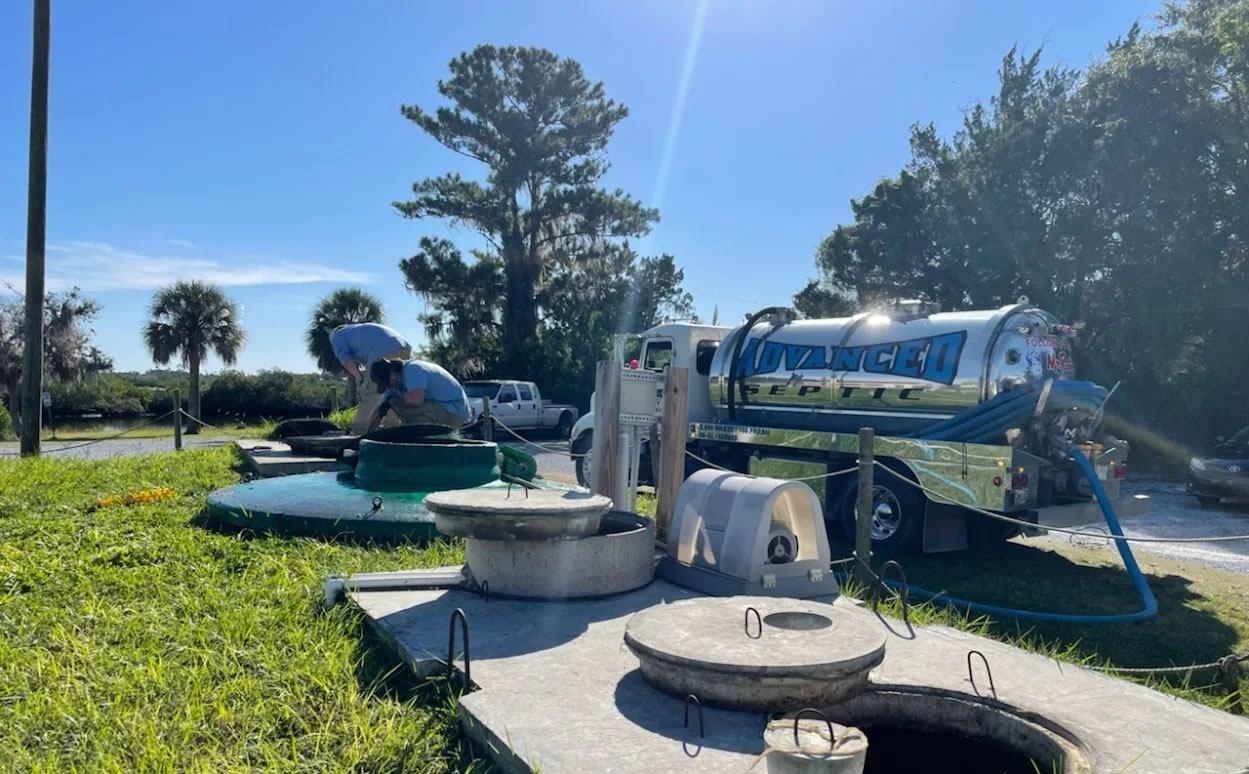
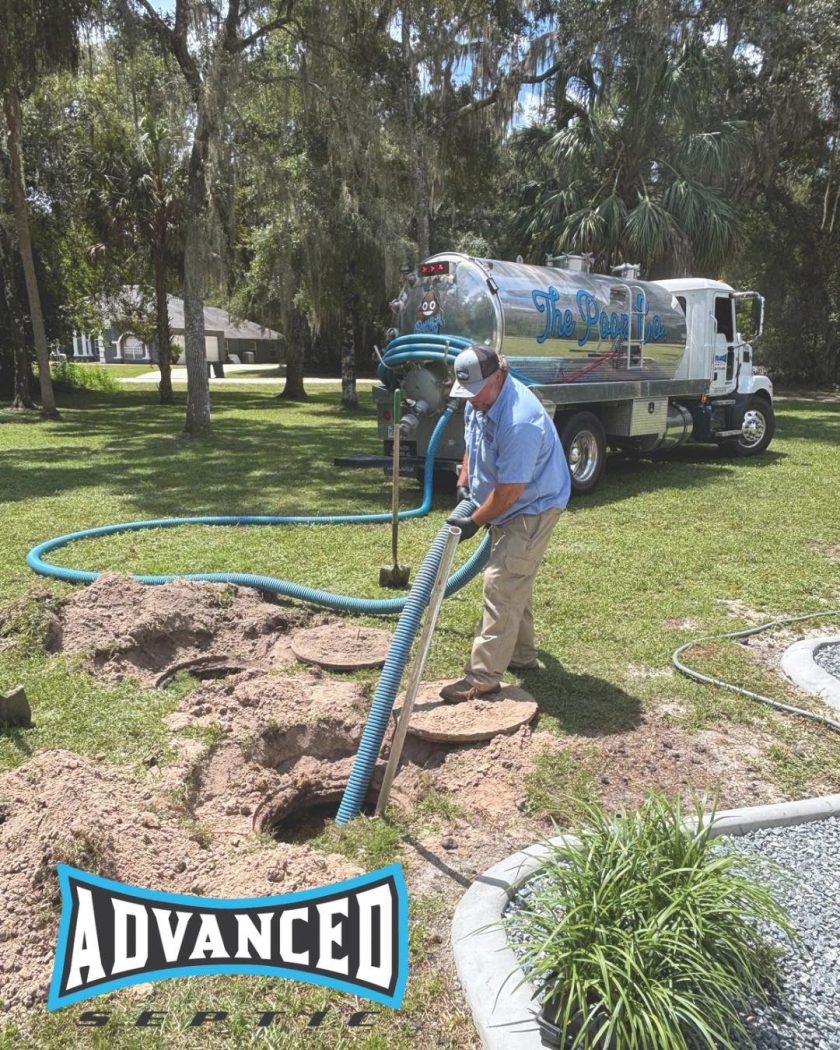
Your septic system does not come with a dashboard warning light, which means most homeowners have no idea there's a problem until things have already gotten out of hand. The good news is that a tank on its way to failure usually gives you plenty of signals before it gets there; you just have to know what to look for. At Advanced Septic, we've put together this guide around the most reliable indicators that your septic tank needs pumping. Keep reading to get a much clearer picture of where your system stands right now.
A single slow drain is usually just a clog. Multiple slow drains happening at the same time are a sign of trouble. When the kitchen sink, bathroom sink, and shower are all backing up together, the problem is almost certainly downstream, meaning the tank. A full septic tank has no room to receive more liquid, so waste backs up through the system.
You'll notice drains moving sluggishly, water pooling in the shower longer than usual, and sinks that take twice as long to clear. It probably means the tank is running out of capacity. Don't treat slow drains with chemical drain cleaners when this happens. Those products disrupt the bacterial balance inside the tank, which makes the situation worse. Schedule a septic tank pumping in Liberty Triangle, FL instead to fix the actual cause.
Gurgling noises from your toilets or drains after flushing or running water are a pressure problem. Air is trapped somewhere in the drain line because waste can't go anywhere. The trapped air pushes back against the water moving through the pipe. This is one of the earlier warning signs homeowners dismiss because the drains still technically work. But a gurgling pipe is a pressurized pipe, and pressure in a drain system that should operate by gravity signals a blockage or a tank that's reached capacity.
If it's left alone, the pressure finds a release point, usually at the lowest fixture in the house, which means sewage surfacing in your basement toilet or tub. If the gurgling shows up in multiple fixtures at once or appears after every flush, the tank is the first place to look. A septic service call at this stage is much cheaper than the repair bill that comes after a backup.
Visible puddles in your yard on a dry day are never a good sign, but near a septic tank or drain field, they're an emergency. A properly functioning system keeps all liquid underground, filtering through soil before it ever reaches groundwater. When the tank overflows or the drain field saturates, that liquid has nowhere to go but up.
The water carries pathogens. Children and pets that come into contact with it are at serious risk, and contamination can spread into the surrounding soil quickly. This is not a wait-and-see situation. Standing water near your septic system means you should call for service immediately, because it will not resolve on its own.
If a strip of grass above your drain field is noticeably greener or growing faster than the rest of your yard, the system is feeding it. Effluent leaching into the soil acts as a fertilizer, and while the lawn looks healthy, what's happening underground isn't.
This sign tends to appear before standing water does, which makes it a useful early warning. The drain field is receiving more liquid than it can properly filter, and the excess is moving upward rather than downward. Catching it at this stage gives you more options and a lower repair bill. A septic inspection now can tell you how much capacity remains and whether pumping will relieve the pressure.
A functioning septic system is sealed, and a sealed system doesn't smell. If you're catching sewage odors near drains, in the basement, or outside around the tank and drain field, something has broken down in that seal. The odor is gas escaping from a system under pressure or from a tank that's reached capacity and is venting where it shouldn't.
Inside odors often point to a full tank pushing gas back through the drain lines. Outside odors near the tank lid can indicate a cracked or damaged cover. Either way, the smell is not cosmetic. It's a direct signal that the system needs attention before the problem progresses to a backup or a leak.
If your household uses well water and a recent test has come back with elevated nitrate or coliform bacteria levels, a failing septic system is one of the first things to investigate. A properly functioning system filters effluent through the soil before it reaches groundwater. When the tank overflows or the drain field fails, the filtration breaks down.
Contaminated well water is a serious health risk, particularly for children and pregnant women. It also tends to indicate the system has been struggling for some time before the contamination becomes detectable. If you've received a concerning water test result, schedule a septic inspection alongside any water treatment consultation so both problems are addressed at the source.
Most residential septic tanks need pumping every three to five years, though household size and tank capacity affect the timeline. A three-bedroom home with a 1,000-gallon tank and four occupants will hit that threshold faster than a two-person household with the same tank size. If you can't remember your last pump out, or if it's been longer than five years, the tank is overdue.
Solids accumulate at the bottom of the tank regardless of how careful you are about what you flush. As the sludge layer rises, it reduces the tank's working capacity and eventually pushes solid waste into the drain field, where it clogs the distribution pipes and causes field failure. A routine septic tank pumping on schedule costs a fraction of what field restoration or replacement runs. Track your pump-out dates and set a reminder so the schedule doesn't slip.
If you recognized your situation in any of the sections above, the next step is to stop guessing and get the tank inspected. Don't wait for a second sign to appear, and don't assume the problem will stabilize. Septic systems don't recover on their own once they've exceeded capacity. Here's what to do right now:
A qualified technician can also check the inlet and outlet baffles, inspect the drain field for signs of saturation, and tell you whether any components need repair. Septic cleaning at the right time protects the drain field, extends the life of the system, and keeps your household running without interruption.
Advanced Septic provides reliable septic tank pumping and repairs for homeowners who want the work done right the first time. Our technicians arrive with the equipment and experience to inspect your system accurately and give you a clear picture of what it needs. If you spotted any of these warning signs, contact Advanced Septic today to schedule your service appointment.
When was the last time you thought about your septic system? Many homeowners' response would most probably be "never" until there…
Read More
Septic systems play a crucial role in managing wastewater from homes and businesses without a municipal sewer system. When functioning properly,…
Read More
As a homeowner, keeping your wastewater treatment system in good working order is essential in maintaining comfort, safety, and functionality. According…
Read More
Nothing is more frustrating than a toilet gurgling and backing up when you flush. In severe cases, wastewater can flood your…
Read More
As a homeowner, dealing with septic backups is not just a nuisance but a sign that your system needs attention. With…
Read More