Menu

Call Us This Monday to Get $15 Off
Trusted Septic Services in Central Florida Call This Monday to Get $15 Off
Call Us This Monday to Get $15 Off
Trusted Septic Services in Central Florida Call This Monday to Get $15 Off
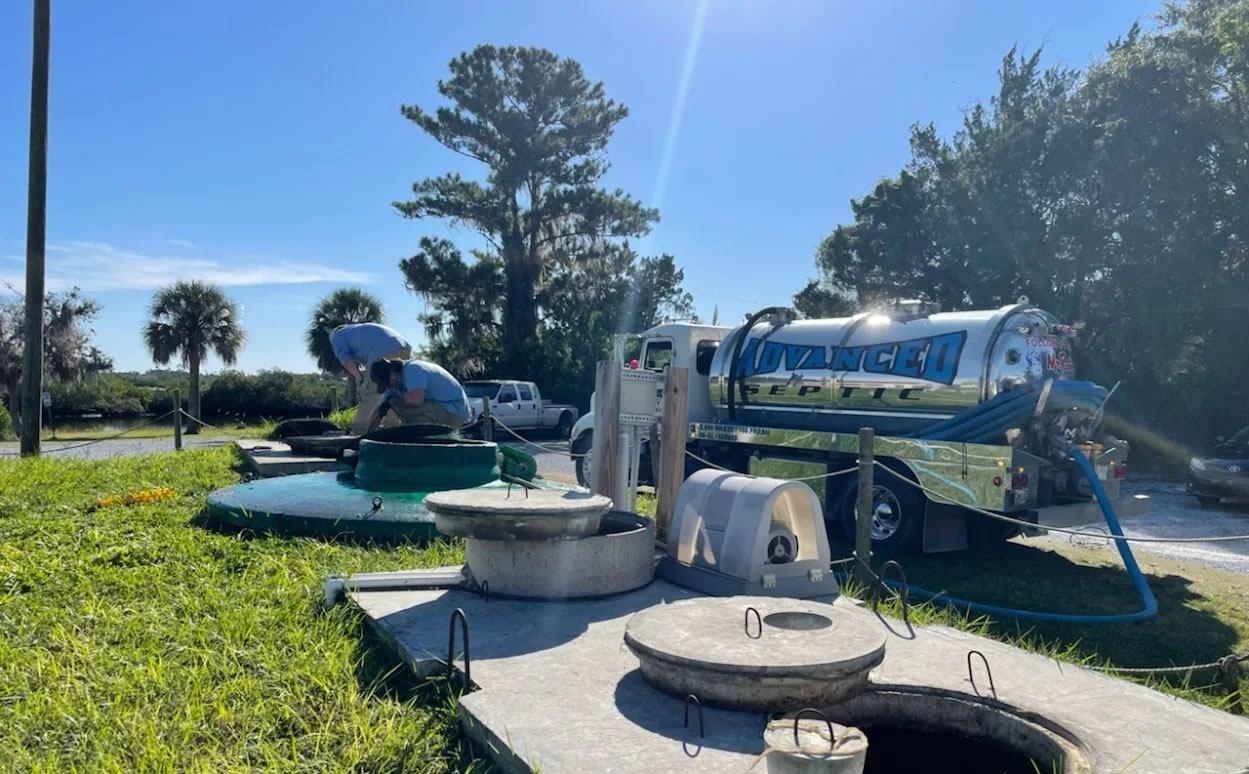
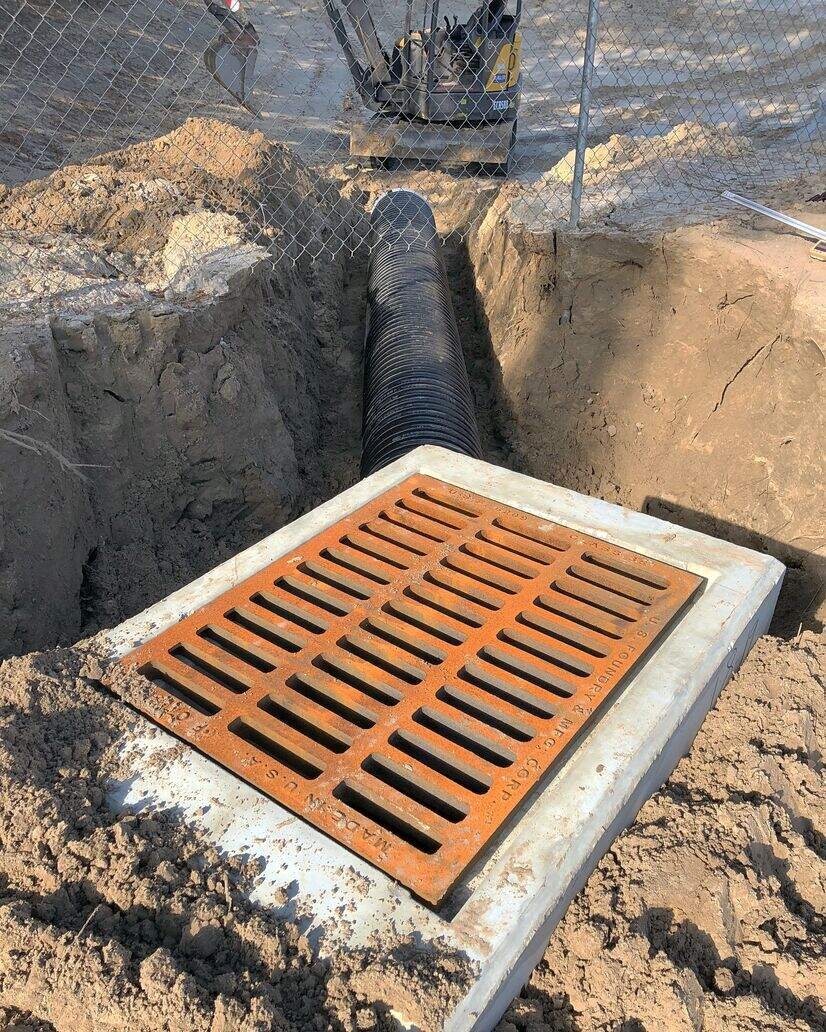
Nothing is more frustrating than a toilet gurgling and backing up when you flush. In severe cases, wastewater can flood your bathroom and drains, posing safety and health hazards. When this happens, your septic system is likely under attack and requires immediate attention. At Advanced Septic, we understand the effect “flushable wipes” have on your system, and tailor septic cleaning plans in Citrus County, FL to restore reliability and functionality. Unlike human waste and toilet paper, these products do not break down easily, clogging the system over time, damaging the tank, and overwhelming your leach field. By working with a licensed septic company, you can mitigate messy disasters, maintain bacterial balance, and ensure smooth flow year-round.
Flushable wipes, as the term suggests, are wet wipes made from non-woven materials like polypropylene, polyester, or viscose fibers. Unlike toilet paper, which breaks down immediately in water, these so-called “flushable wipes” remain intact even when wet. This means that they don’t break down fast enough, causing blockages and costly damage.
Even if manufacturers claim that their products are “flushable,” they don’t compare to toilet paper. Instead of breaking down, they clog pipes and cause serious issues down the line. If you regularly flush wipes down the toilet, call a licensed septic service provider for an inspection and tailored pumping services.
Now that you know what flushable wipes are and how they can damage your septic system, you can make informed waste disposal decisions. Additionally, wipes are not the only products that manufacturers claim to be “flushable,” and you might dispose of the wrong things. Some of these products include facial tissues, paper towels, cotton swabs, sanitary pads, and diapers.
If you don’t want messy disasters, ensue only toilet paper and human waste are flushed. Disposing of “flushable” products can lead to clogged lines, severe damage, and costly emergency septic services. Still not convinced that your septic system is in trouble? Here’s what really happens when you ignore regular septic maintenance.
As mentioned, flushable wipes are made of durable fibers that don’t decay like organic or biodegradable waste. In some wastewater units, this means that these items float or settle at the bottom of the tank. Since they cannot dissolve, you may require septic tank pumping sooner than expected.
Another way “flushable” wipes and other products can interfere with your septic system, causing an imbalance in the tank. Septic tanks rely on anaerobic bacteria to break down organic waste, and disposing of wipes can disrupt the waste breakdown process. Additionally, they often carry preservatives and chemicals, which disrupt the microbial balance if left unchecked.
A free-flowing septic system not only functions reliably but also minimizes the risk of recurring issues. If you regularly dispose of items labeled “flushable” by manufacturers, call your local septic company for an inspection quickly. The last thing you want is non-biodegradable waste merging with hair, soap, and grease, forming dense plugs that can choke your system’s outlet pipe.
Research shows that over 90% of sewage blockages in residential properties are a result of wet wipes. Even if the waste you flush makes it past the septic tank and flows into the drain field, flushable items can clog soil pores and stop natural filtration. Since your leach field is one of the most important components of your wastewater system, take a more proactive approach toward routine septic maintenance.
While flushing inorganic items may seem convenient, they’re linked to septic failure. Contact Advanced Septic to learn more about what should and shouldn’t go down your wastewater system. Our team of septic cleaning experts aims to protect your home or business from septic services
Septic systems work behind the scenes to manage the waste of residential and commercial properties without a public sewer system. Despite…
Read More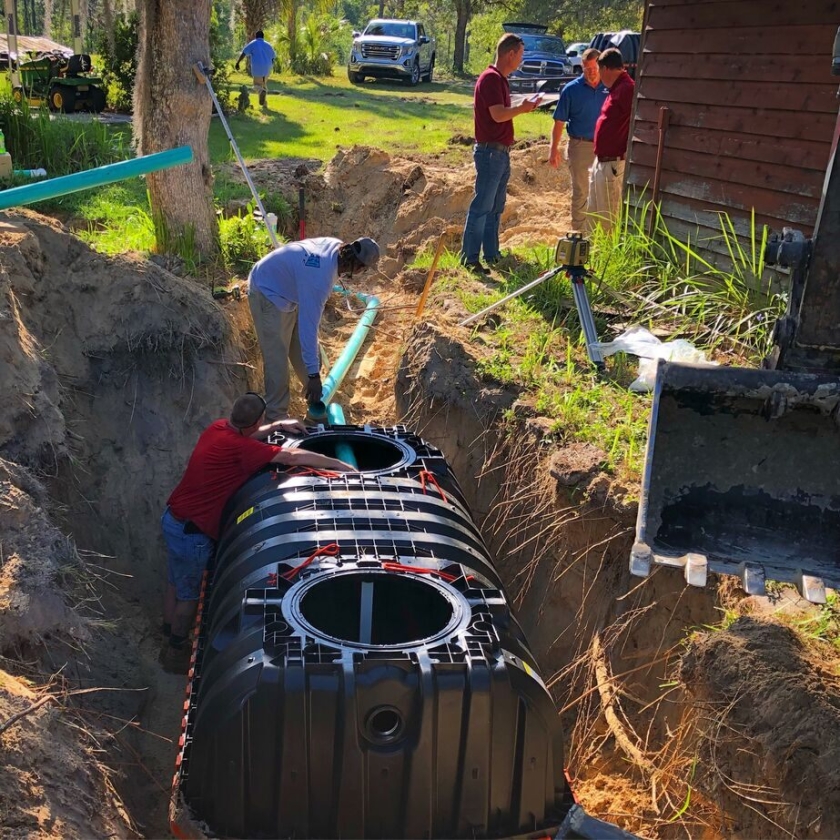
It’s no secret that utility costs are rising and calls for environmental sustainability are getting louder. For these reasons, water conservation…
Read More
Septic system problems often begin below ground long before visible symptoms appear. By the time wastewater backs up into drains or…
Read More
Your yard is more than just shade trees, flower beds, and curb appeal; it is also where your wastewater treatment system…
Read More
When was the last time you thought about your septic system? Many homeowners' response would most probably be "never" until there…
Read More