Menu

Call Us This Wednesday to Get $15 Off
Trusted Septic Services in Central Florida Call This Wednesday to Get $15 Off
Call Us This Wednesday to Get $15 Off
Trusted Septic Services in Central Florida Call This Wednesday to Get $15 Off
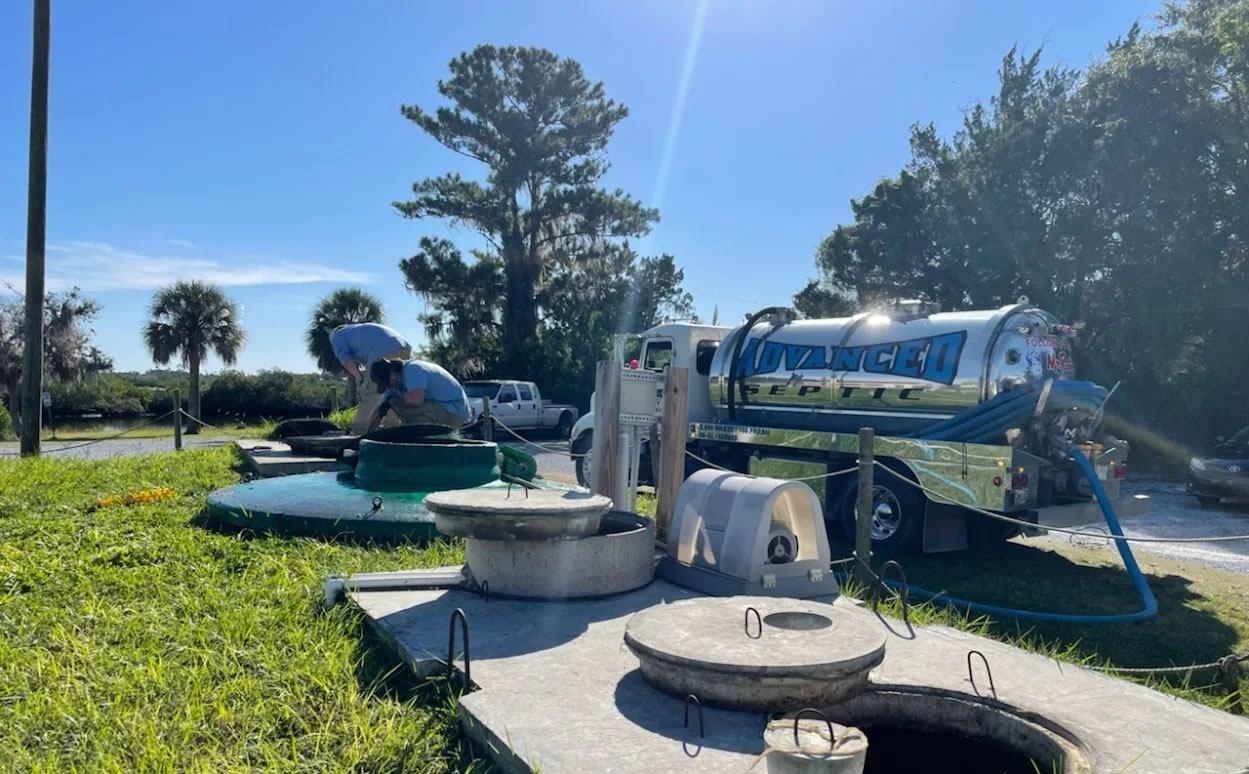
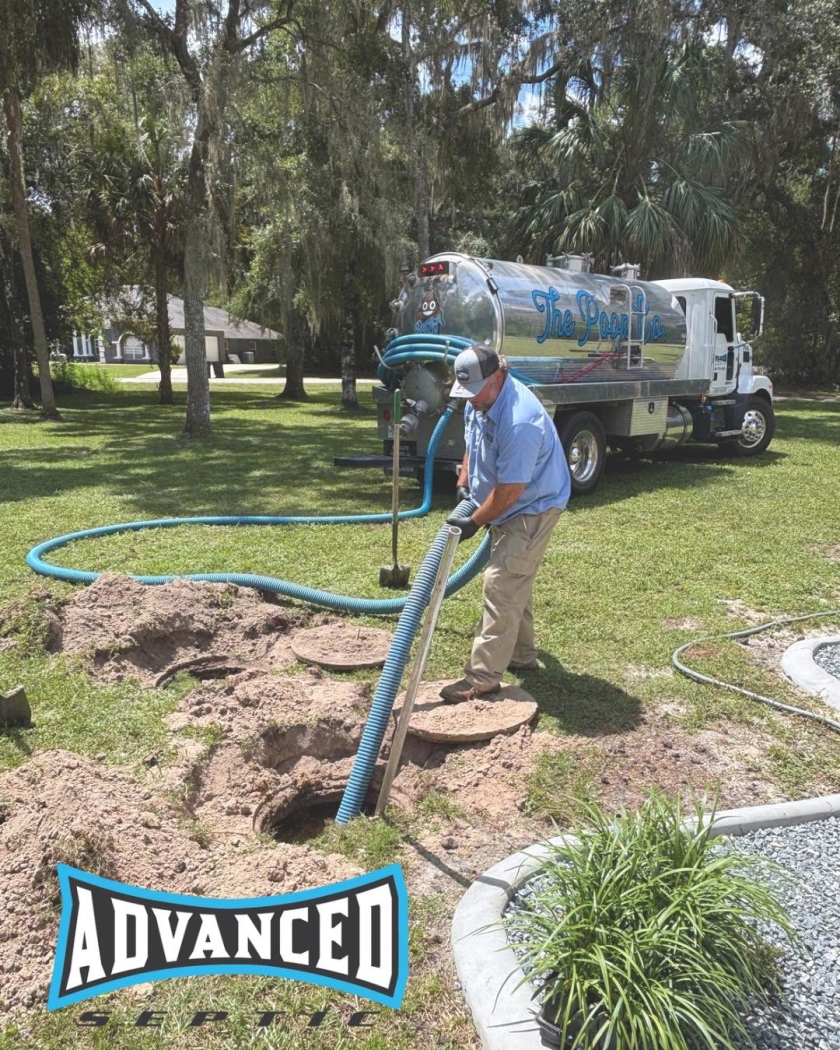
If you rely on a septic system for wastewater treatment, you’ll need septic work performed on your property from time to time. From new septic tank installation to septic pumping or septic tank riser repair, these services are essential to keep everything working smoothly.
But the common question is: do you need to acquire a permit for septic work in Florida? The short answer is YES. Septic system owners are required to obtain a permit for tasks such as septic pumping, repairs, installations, and routine maintenance. Permits are issues by the Florida Department of Health (DOH) at the county level to ensure compliance with safety and environment regulations.
In Florida, a permit is typically required for a wide range of septic system services. This includes installing a new septic system, septic cleaning, replacing an existing tank or drain field, making major repairs, or modifying the system in any way. Even relocating a septic tank or expanding a property that affects wastewater flow may require approval.
However, minor maintenance tasks such as septic cleaning or replacing minor components do not typically require a permit. However, it’s always best to check with your local health department or a licensed septic company in Florida before proceeding, as requirements can vary by county.
Septic permits in Florida are usually issued through the county health department under the oversight of the Florida Department of Health. The department evaluates factors such as soil composition, water table levels, lot size, and proximity to wells or bodies of water before approving any septic work. This process helps ensure that the system will function safely and efficiently without posing risks to nearby properties or water sources.
Obtaining a septic permit involves several steps. First, you’ll need to submit an application detailing the scope of work. A site evaluation is often required, which may include soil testing and property measurements. Once approved, the work must be completed according to the permitted plans. After installation or repair, an inspection is conducted to ensure everything meets code before the system can be used. Working with a licensed septic service provider can simplify this process, as they are familiar with local requirements and paperwork.
Permits may seem like an extra step, but they serve an important purpose. They ensure that septic systems are designed and installed correctly. A properly permitted system also protects property value. If you plan to sell your home in the future, having documentation that shows all septic work was completed legally can prevent delays and complications during the sale process. Whether you’re in need of septic pumping to prevent backups or septic tank repairs, it’s important to obtain permits.
Performing septic work without the required permit can lead to serious consequences. Homeowners may face fines, be required to redo the work, or encounter difficulties when selling their property. Also, unpermitted systems are more likely to fail, leading to costly repairs and potential health hazards. It’s always better to follow the proper procedures from the start rather than deal with the consequences later. This is why it’s a good idea to hire a trusted septic company when you need septic work done in your Florida home.
If you’re looking for a top-rated septic company to perform septic work in your Florida home, get in touch with the experts at Advanced Septic. We are your local choice for expert septic service and professional maintenance. Some of the services we offer include septic pumping, septic tank repair, drain field replacement, septic cleaning, and more. Contact Advanced Septic today to schedule septic service.
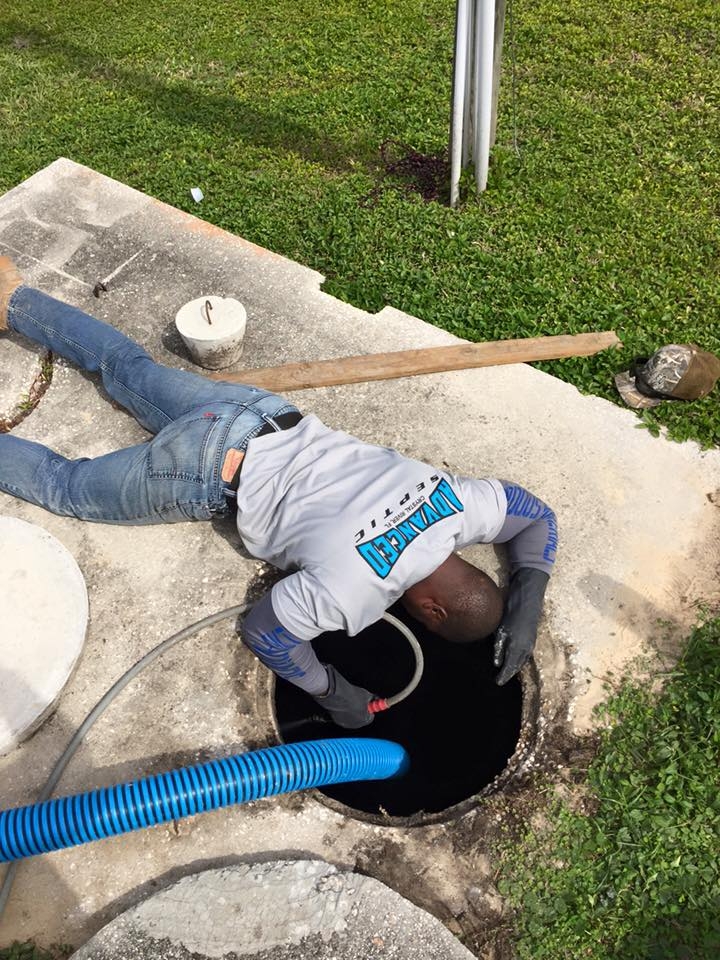
When was the last time you thought about your septic system? Many homeowners' response would most probably be "never" until there…
Read More
Septic systems play a crucial role in managing wastewater from homes and businesses without a municipal sewer system. When functioning properly,…
Read More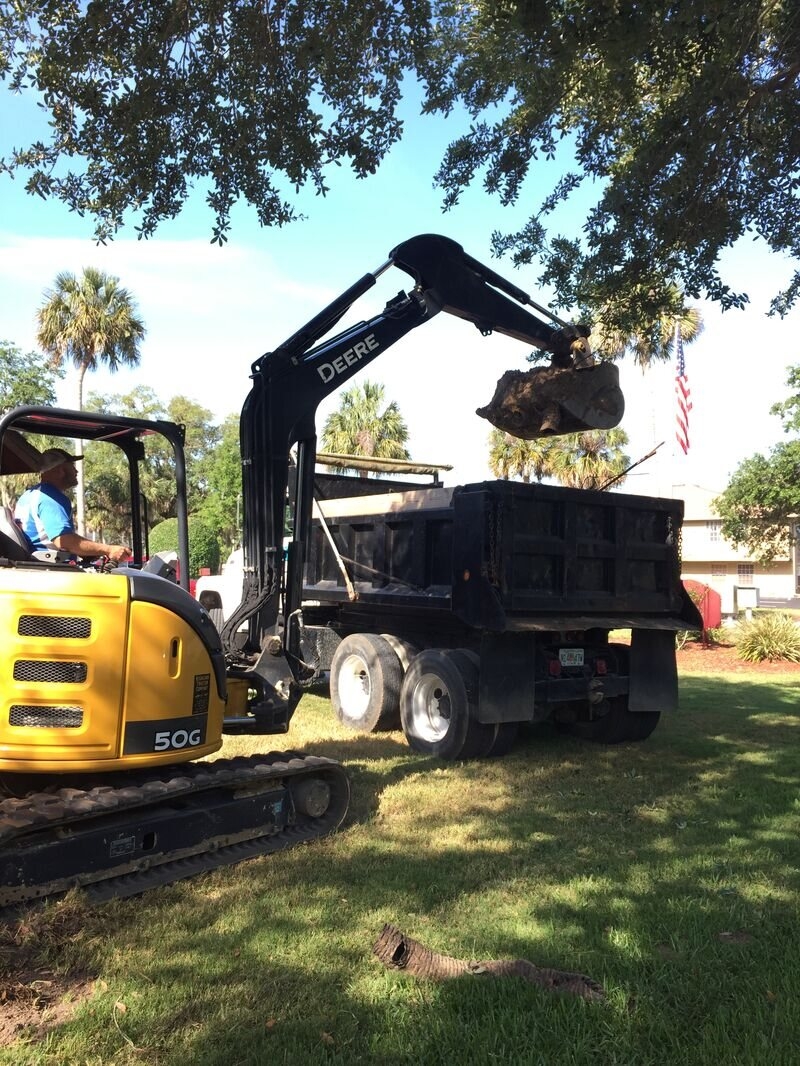
As a homeowner, keeping your wastewater treatment system in good working order is essential in maintaining comfort, safety, and functionality. According…
Read More
Nothing is more frustrating than a toilet gurgling and backing up when you flush. In severe cases, wastewater can flood your…
Read More
As a homeowner, dealing with septic backups is not just a nuisance but a sign that your system needs attention. With…
Read More