Menu

Call Us This Wednesday to Get $15 Off
Trusted Septic Services in Central Florida Call This Wednesday to Get $15 Off
Call Us This Wednesday to Get $15 Off
Trusted Septic Services in Central Florida Call This Wednesday to Get $15 Off
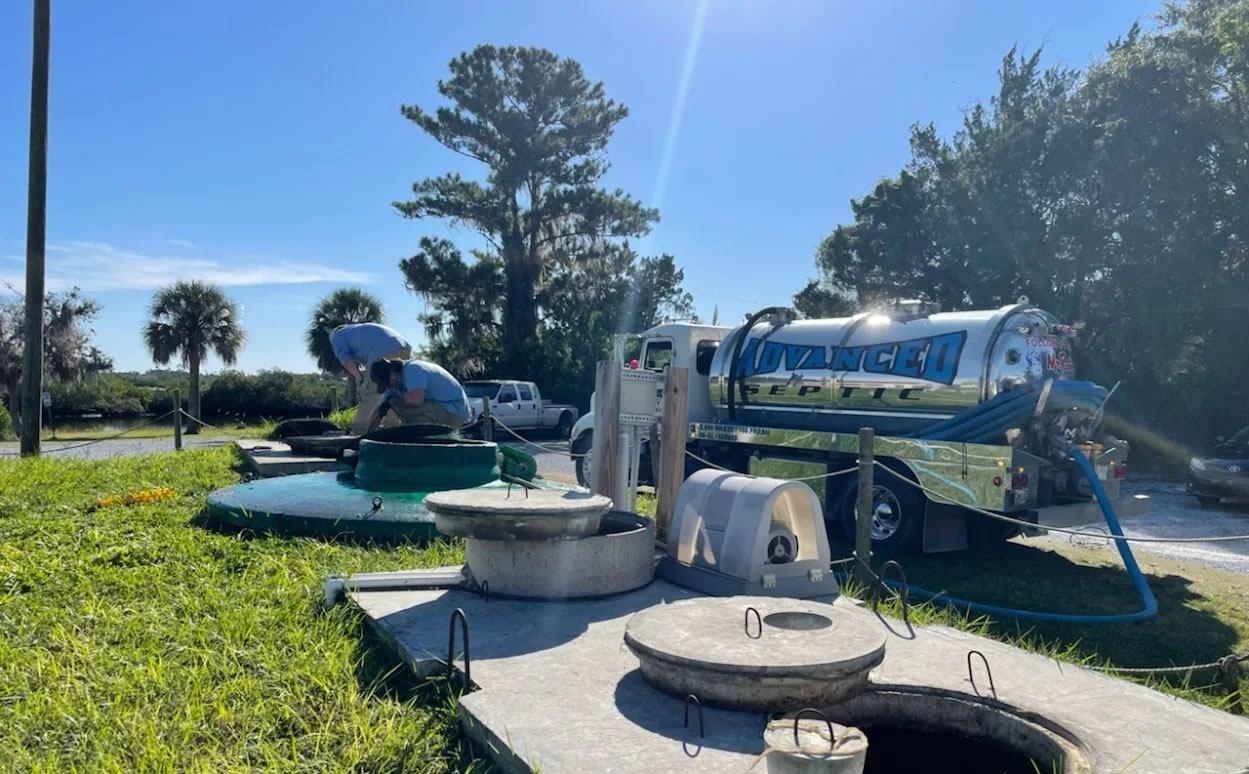
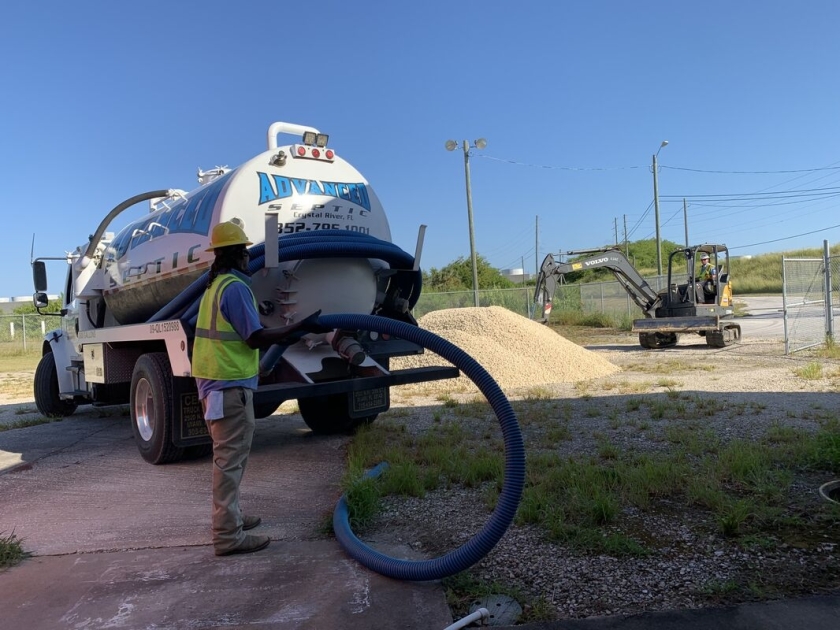
A septic pump that's not working properly can bring your entire system to a standstill, and the frustrating part is that the problem isn't always obvious until something backs up. Knowing what to look for and what different symptoms mean puts you in a much better position to respond quickly and avoid damage. Advanced Septic diagnoses and repairs septic pump problems. This guide covers the most common issues we see, what causes them, and how each one gets resolved. Keep reading, and you'll walk away knowing exactly what questions to ask and what to expect during your service.
Your septic pump moves effluent from one chamber or tank to the next stage of treatment, whether that's a drain field, a mound system, or a secondary treatment unit. Without it, the liquid waste stays where it shouldn't be, and solids accumulate past safe levels. The pump sits submerged in the pump chamber and activates on a timer or float switch.
Most residential systems use a submersible effluent pump that's rated to handle liquid with small suspended solids. The pump pulls effluent through an intake screen, pressurizes it, and forces it out through a discharge line at a specific flow rate that's measured in gallons per minute. The flow rate is important because the drain field or treatment component downstream is designed to receive a set volume at a set pace.
When the pump fails to deliver at the right rate, or stops completely, the downstream component can't do its job. Effluent backs up into the tank, levels rise, and the system goes into alarm or overflow. Understanding that the pump is the mechanical heart of a pressure-dosed system makes it easier to see why even a partial failure cascades quickly.
Most pumps fail because of mechanical wear, electrical failure, or damage caused by running dry or handling the wrong materials. Each cause leaves a different fingerprint, which helps technicians diagnose accurately.
Mechanical wear happens gradually. The impeller, which spins to move liquid, erodes over time from grit and suspended particles in the effluent. A worn impeller reduces output pressure and flow rate before it fails completely. Running a pump dry destroys the seals and bearings because they depend on the liquid for cooling. Pumps also fail prematurely when homeowners flush wipes, grease, or fibrous material that clogs the intake screen and forces the motor to work against resistance.
Electrical failures account for a substantial share of pump problems. Moisture intrusion into the motor windings, a corroded float switch, or a tripped circuit breaker can all stop the pump without any mechanical damage at all. Some of those are quick fixes. Others mean the motor is burned out and the unit needs to come out of the tank.
A pump that doesn't run when the float rises is worth diagnosing electrically before assuming the motor is dead. The first check is the control panel. A tripped breaker or a blown fuse cuts power to the pump, and resetting it sometimes resolves the issue. If the breaker trips again right away, that points to a short in the wiring or a motor drawing too much current.
Float switches fail all the time. The float is a small buoy connected to a switch that activates the pump when liquid reaches a set level. Floats can get tangled, waterlogged, or stuck in a position that keeps the pump from running, or one that keeps it running continuously until the motor burns out. A technician checks float position, tests continuity through the switch, and can replace the switch independently of the pump in many cases.
Wiring inside a wet environment corrodes faster than wiring in dry conditions. Connections inside the junction box or at the pump motor itself can oxidize and lose conductivity. A qualified septic company in Homosassa Springs, FL uses a multimeter to trace voltage through each component and isolate the failure point before pulling the pump. Accurate diagnosis saves time and prevents replacing parts that don't need replacing.
Not every pump problem requires a full replacement. A clogged intake screen, a failed float switch, or a tripped breaker are all fixable without pulling or replacing the pump. Clearing a screen, resetting controls, or swapping a float switch costs less than a new unit and solves the problem when the pump motor is still working fine.
Replacement is necessary when the motor windings are burned, the impeller is severely eroded, or the pump housing is cracked. Motors that have overheated once from running dry may appear to recover but fail again quickly under load. In those cases, continuing to repair is more expensive than replacing the unit. A reputable septic company will test motor resistance and check amp draw to give you a data-based recommendation.
Septic tank repair sometimes extends to components connected to the pump, including the discharge line, check valve, or dosing chamber. A cracked check valve lets effluent drain back into the pump chamber between cycles, which causes the pump to run more cycles than designed and wears it out faster. Replacing the check valve during a pump service call is standard practice. If the dosing chamber is damaged, that becomes a separate septic tank repair scope, and your technician should walk you through what's involved before work begins.
Routine maintenance extends pump life more than any other single factor. The pump chamber should be inspected, and the intake screen cleaned every one to three years, depending on household size and usage. Skipping inspections allows solids to accumulate past the screen and force the pump to work harder than its rating.
Protect the pump by controlling what enters the system. Wipes labeled "flushable" don't break down in septic systems and wrap around impellers. Cooking grease solidifies in the pump chamber and clogs the intake. Both shorten pump life measurably. Installing a high-water alarm, if your system doesn't already have one, gives you early warning before an overflow occurs.
When the pump does reach the end of its service life, septic tank replacement of the pump unit is a planned expense rather than an emergency if you've kept up with inspections. Most submersible effluent pumps last seven to fifteen years with proper care. Knowing where your pump is in that range lets you budget ahead and avoid the higher cost of emergency service calls.
If your pump is alarming, underperforming, or due for its next inspection, contact Advanced Septic to schedule a service call. We diagnose electrical and mechanical pump problems accurately, recommend the right repairs, and replace units when needed. Call us or book online, and we'll get out to your property and give you an assessment.
When was the last time you thought about your septic system? Many homeowners' response would most probably be "never" until there…
Read More
Septic systems play a crucial role in managing wastewater from homes and businesses without a municipal sewer system. When functioning properly,…
Read More
As a homeowner, keeping your wastewater treatment system in good working order is essential in maintaining comfort, safety, and functionality. According…
Read More
Nothing is more frustrating than a toilet gurgling and backing up when you flush. In severe cases, wastewater can flood your…
Read More
As a homeowner, dealing with septic backups is not just a nuisance but a sign that your system needs attention. With…
Read More