Menu

Call Us This Wednesday to Get $15 Off
Trusted Septic Services in Central Florida Call This Wednesday to Get $15 Off
Call Us This Wednesday to Get $15 Off
Trusted Septic Services in Central Florida Call This Wednesday to Get $15 Off
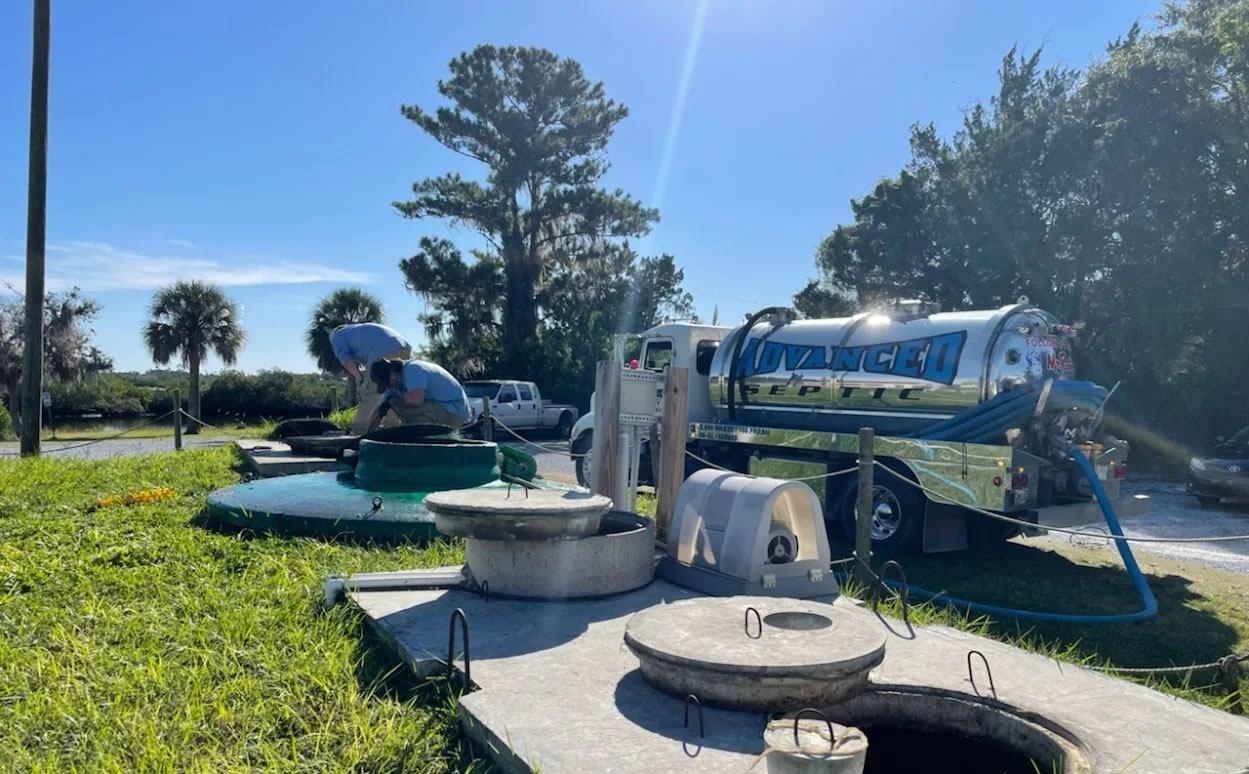
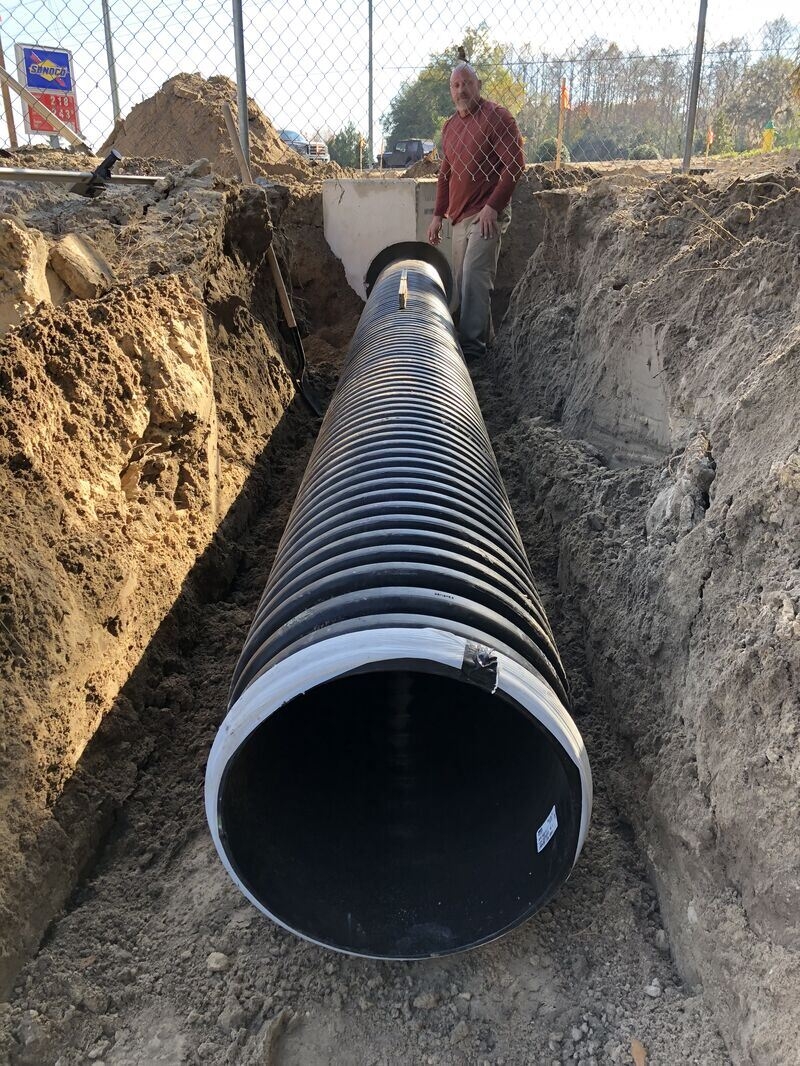
Most homeowners understand how city sewer systems work: wastewater leaves the house, travels through underground pipes, and the municipality handles the rest (so long as you’re paying your monthly sewer bills).
But nearly one in five American homes does not connect to a centralized sewer system. Instead, they rely on an onsite wastewater treatment system – most commonly, a conventional septic system.
If your property has a septic system installation, you don’t pay a monthly sewer bill. However, you do carry full responsibility for maintaining and protecting that system. The good news? A conventional septic system is simple, durable, and highly effective when properly maintained.
The key to proper maintenance is understanding how the system works. We break it down in this brief article brought to you by Advanced Septic.
Every time you flush a toilet, run a sink, or take a shower, wastewater flows through your home’s drain pipes into a single main sewer line. That line carries everything to the septic tank buried underground on your property.
Gravity does most of the work in conventional systems: wastewater flows downhill into the tank without the need for pumps. This straightforward design makes septic systems reliable and long-lasting.
Once waste and wastewater enters your septic tank, it separates into three layers: A top layer of scum, a bottom layer of solid waste, and a middle layer of liquid effluent (or wastewater).
Naturally occurring bacteria inside the tank begin breaking down organic solids. However, bacteria cannot eliminate everything. Over time, sludge and scum accumulate. This buildup makes routine septic tank pumping in Gainesville, FL essential. More on this later.
Meanwhile, the liquid effluent flows out of the outlet pipes and toward the drain field. Also called a leach field, this area consists of perforated pipes laid in gravel-filled trenches beneath the soil. Here, the effluent slowly seeps into the surrounding soil.
The soil beneath your drain field acts as a natural filter. It removes harmful bacteria, viruses, and nutrients before the water reenters the groundwater supply.
Healthy soil plays a crucial role in protecting both your property and the environment. When the drain field becomes saturated, it cannot absorb wastewater properly. That’s when homeowners notice warning signs like soggy patches, strong odors, or slow drains inside the house.
If you’ve got a septic system installed, then you’ve got to be even more careful than homeowners who enjoy access to centralized sewer systems. For beginners, harsh chemicals and antibacterial soaps are not encourage as they threaten the helpful bacteria in the septic tank.
On top of that, periodic septic service is crucial. Remember, those sludge and scum layers never stop growing. Year after year, these layers get thicker.
When the sludge rises too high or the scum layer gets too deep, they start interfering with the tank's separation process. If they reach the outlet baffle and escape into your drain field, they prevent proper drainage and filtration. This is how many septic systems fail.
Regularly pumping out the sludge and scum in the septic tank is non-negotiable, and periodic septic cleaning is highly advised. If septic pumping is like taking out the trash, then septic cleaning is similar to pressure washing the trash bin.
If you’ve still got questions or concerns, or if you’re looking for a reputable septic company, then consider the uniformed pros at Advanced Septic. Our live representatives are on standby to take inquiries, schedule an appointment, or arrange urgent septic service for as soon as possible.
When was the last time you thought about your septic system? Many homeowners' response would most probably be "never" until there…
Read More
Septic systems play a crucial role in managing wastewater from homes and businesses without a municipal sewer system. When functioning properly,…
Read More
As a homeowner, keeping your wastewater treatment system in good working order is essential in maintaining comfort, safety, and functionality. According…
Read More
Nothing is more frustrating than a toilet gurgling and backing up when you flush. In severe cases, wastewater can flood your…
Read More
As a homeowner, dealing with septic backups is not just a nuisance but a sign that your system needs attention. With…
Read More