Menu

Call Us This Wednesday to Get $15 Off
Trusted Septic Services in Central Florida Call This Wednesday to Get $15 Off
Call Us This Wednesday to Get $15 Off
Trusted Septic Services in Central Florida Call This Wednesday to Get $15 Off
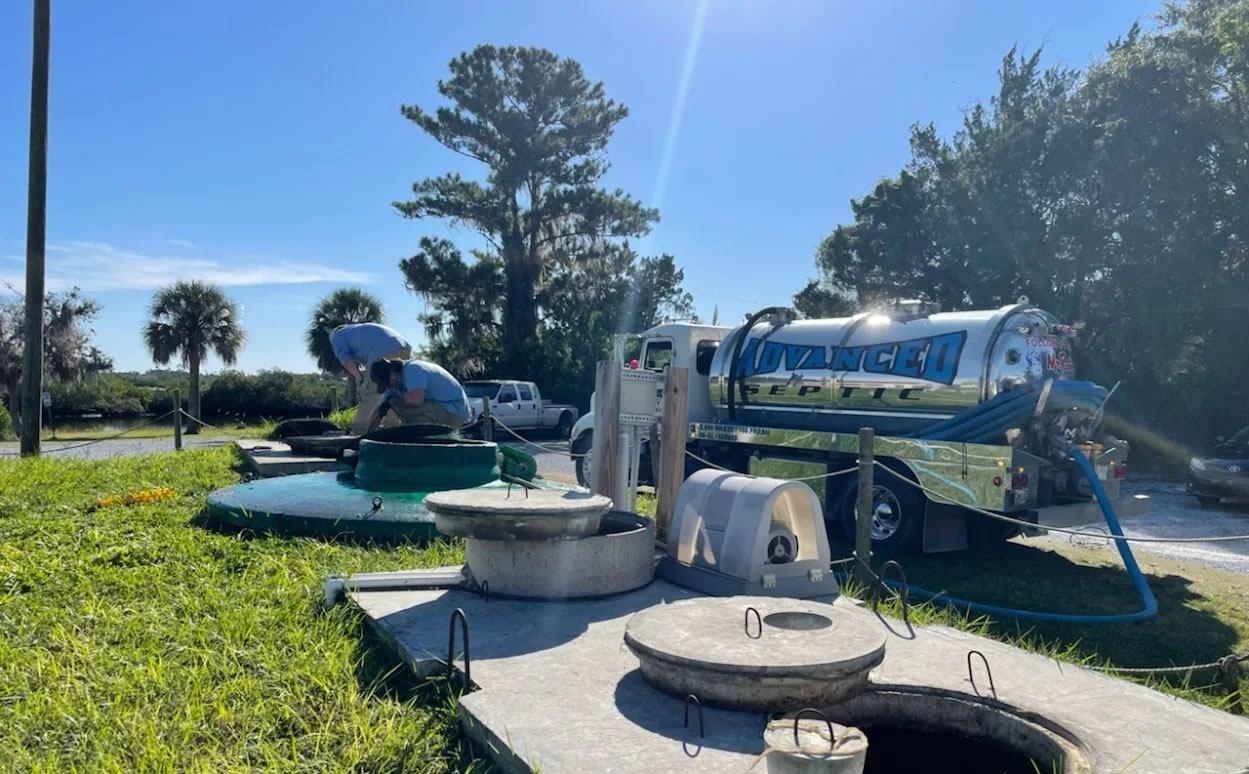
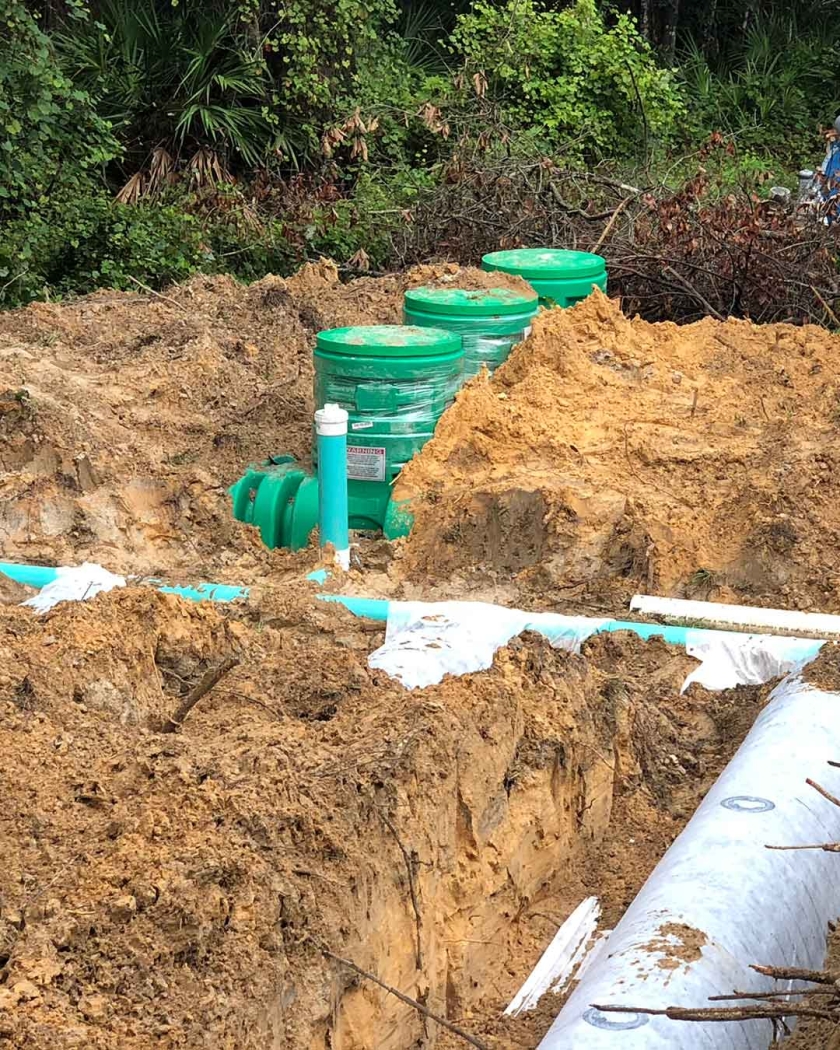
Sewage backups are every homeowner’s nightmare. One minute everything seems fine. The next, wastewater creeps up in the shower, toilets refuse to flush, and a foul smell fills the air.
If you notice slow drains and gurgling sounds coming from multiple plumbing fixtures at once, that’s your red flag. Don’t ignore it.
We have good news, too: Most septic backups don’t happen out of nowhere. They build up over time. When you understand what causes them, you can take simple steps to prevent a messy and expensive situation.
In this brief article brought to you by Advanced Septic, we break down the most common culprits and what to do about them. If you’d rather consult a pro from a reputable septic company, then call or message Advanced Septic to get in touch!
The most common culprit behind septic backups is simple: a tank that's filled beyond capacity.
Think about it. Inside your septic tank, solids settle at the bottom (sludge), grease and oils float to the top (scum), and liquid wastewater sits in the middle. While helpful bacteria breaks down solid waste into space-saving sludge, that sludge builds up.
If you skip routine septic tank pumping in Spring Hill, FL, solids WILL rise too high and block the outlet pipe. When wastewater has nowhere to go, it backs up into your home.
How to Address It: Schedule regular septic tank pumping every three to five years, depending on household size and usage. If you can’t remember your last service date, it’s time to call the pros as soon as possible.
Your septic system relies on bacteria to break down organic waste. These microscopic workers can handle human waste and some toilet paper effectively, but they cannot handle so-called “flushable” wipes, feminine hygiene products, paper towels, cotton swabs, and other non-biodegradable materials.
These items don't break down in your tank. They accumulate and take up much more space than they ought to. They pose a greater threat of blocking the outlet pipes and create the perfect conditions for a backup.
How to Address It: Do NOT treat your toilet or sinks as trash bins. Only flush human waste and toilet paper. In fact, keep fats, oil, and grease out of the kitchen drain, and do NOT pour harsh chemicals down the drains as they can kill the beneficial bacteria that breaks down solid waste.
The drain field plays the role of filtering wastewater back into the soil, but it can fail for several reasons:
When the drain field becomes saturated or clogged, wastewater can’t absorb properly. Instead, it may pool in your yard or back up into the house.
How to Address It: Spread out water use during the week, fix leaky faucets and running toilets promptly, and never park or build structures over the drain field. If you notice soggy patches or strong odors outdoors, contact a reputable septic service provider as soon as possible.
Septic systems are durable but not indestructible. Tanks can crack, baffles will deteriorate, and pipes may shift or collapse.
These physical problems don't improve on their own. They progressively worsen until they cause complete system failure and backup.
How to Address It: Periodic septic inspections are essential in nipping issues in the bud. If the damage is done, then arrange a professional septic tank repair sooner rather than later.
You don't need to wait for warning signs to protect your home. Partner with qualified professionals to inspect the septic system once every couple of years, and schedule periodic septic service to keep your septic system in tip-top shape.
If you’re looking for a reputable septic company in Crystal River, FL or surrounding areas, then consider the time-tested pros at Advanced Septic.
When was the last time you thought about your septic system? Many homeowners' response would most probably be "never" until there…
Read More
Septic systems play a crucial role in managing wastewater from homes and businesses without a municipal sewer system. When functioning properly,…
Read More
As a homeowner, keeping your wastewater treatment system in good working order is essential in maintaining comfort, safety, and functionality. According…
Read More
Nothing is more frustrating than a toilet gurgling and backing up when you flush. In severe cases, wastewater can flood your…
Read More
As a homeowner, dealing with septic backups is not just a nuisance but a sign that your system needs attention. With…
Read More